
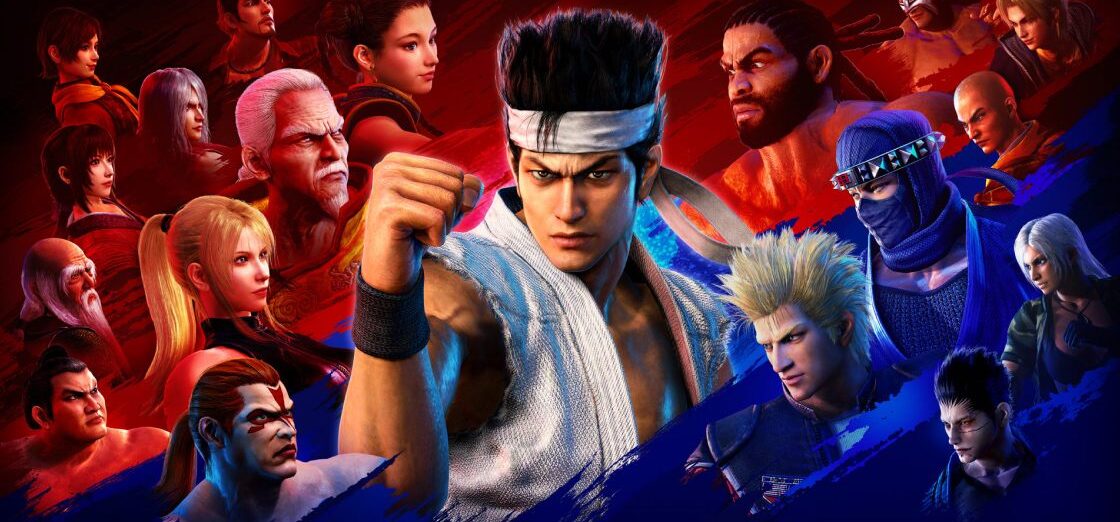
Virtua Fighter is one of the most influential fighting game franchises. However, it hasn’t been particularly active recently. As a result, fans of virtual kicking and punching have had to pick other titles. Fortunately, it may change as PC players have just received VF5 R.E.V.O. Moreover, a brand new installment has been revealed. It’s a great opportunity to talk about previous Virtual Fighter games.
Table of Contents
Virtua Fighter
Virtua Fighter is a pioneering 3D fighting game developed by Sega, first released in 1993. Renowned as a groundbreaking title in the history of the gaming industry, it pushed the limits of both graphics and gameplay, setting standards for the fighting game genre. The series is celebrated for its blend of simplicity and depth, prioritizing realism and skill-based mechanics over flashy visual gimmicks.
It was one of the first fighting games to use polygon-based 3D graphics, which made it revolutionary at the time of its release. The use of 3D models created smooth animations and allowed for dynamic camera angles that enhanced the feeling of realism. While the original version featured relatively simple textures and models by today’s standards, its visual style was a massive leap forward in gaming.
Unparalleled realism
Unlike other fighting games that leaned on exaggerated moves and fantastical elements, Virtua Fighter focused on realism. Its combat system was based on actual martial arts techniques, showcasing styles like Judo, Drunken Kung Fu, and Capoeira. Each character’s movements mirrored their fighting discipline, adding authenticity to the gameplay. The emphasis on precision timing, move execution, and strategy created a unique learning curve for players. The game features a roster of characters, each with a distinct personality, backstory, and martial arts style. Fighters like Akira Yuki, Pai Chan, and Wolf Hawkfield became fan favorites.
Realistic physics and the three-button control system were other game’s major advantages. Players also loved the ring-out system, which let them win a round by knocking their opponent out of the ring. This added an extra layer of strategy, as awareness of positioning became just as important as landing powerful attacks. Virtua Fighter influenced many future titles, including popular franchises like Tekken and Dead or Alive. It also spawned numerous sequels and received two improved versions called VF Remix and VF 10th Anniversary.
Virtua Fighter 2
The sequel came out in 1994 and stands as a monumental advancement in the fighting game genre. Building on the foundation laid by its predecessor, it introduced stunning visual upgrades, refined mechanics, and expanded content that solidified its position as a benchmark for 3D fighting games. The game maintained the series’ focus on realism and skill-based gameplay while pushing the boundaries of technology and design.
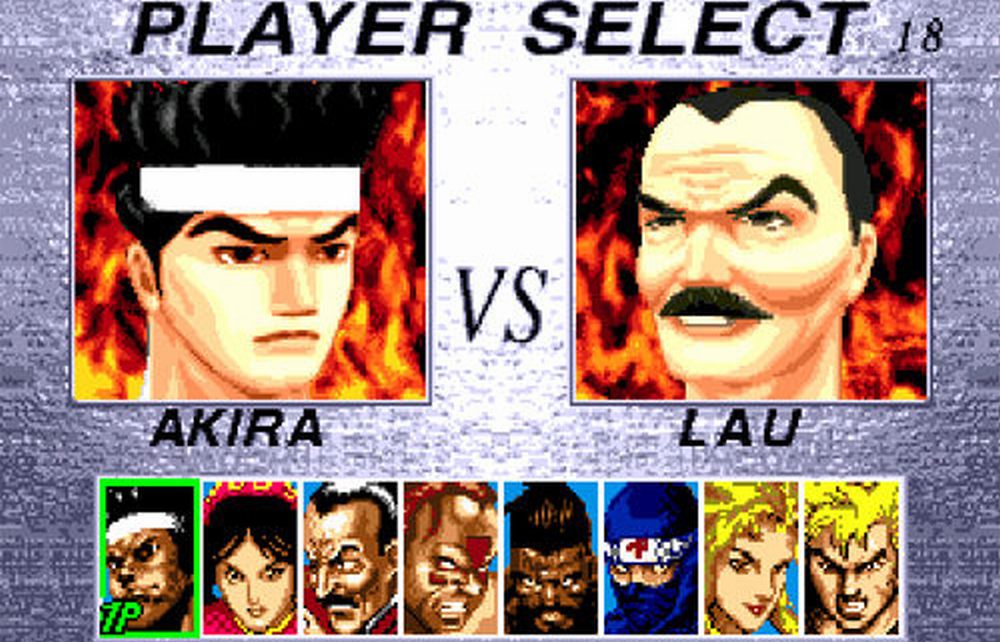
Virtua Fighter 2 marked a significant leap in visuals, powered by Sega’s Model 2 arcade hardware. This allowed for amazingly smooth animations, improved character models, and detailed textures, making the game feel lifelike. The stages were more vibrant and intricate, with backdrops like serene temples and bustling towns. The sequel was also a pioneer in using motion capture technology to create its character animations. This lent the game an unprecedented level of realism, with characters’ movements and martial arts techniques feeling smooth and authentic.
The game introduced two new fighters to the lineup—Shun Di, a master of Drunken Kung Fu, and Lion Rafale, a practitioner of Tourou-ken, bringing the roster to 11 diverse characters. The balanced nature of Virtua Fighter 2’s gameplay made it perfect for competitive playing because no character could give players an unfair advantage.
Virtua Fighter 3
The third major installment in the Sega hit series hit the shelves in 1996. Its enhanced version, Virtua Fighter 3tb, came two years later on the Dreamcast console.
Virtua Fighter 3 introduced groundbreaking innovations in both gameplay and visual fidelity, setting a new industry standard for realism and technical sophistication. One of the most distinctive features of the game was its use of multi-tiered arenas. For the first time in the series, battles unfolded in stages with varying elevations and environmental elements. Players had to contend with uneven terrain, such as sloping hills or raised platforms, which made positioning and tactics more dynamic than ever before. This innovative design element elevated the game above its competitors.
Reaching new heights
Graphically, Virtua Fighter 3 was a masterpiece for its time, featuring highly detailed character models and environments. Leveraging the advanced capabilities of the Model 3 hardware, the game achieved a level of graphical realism that was unparalleled in 1996. Character animations were smoother and more lifelike than those of its predecessors, enhanced by further refinement in the motion capture technology that the series had popularized. The game’s arenas were also far more immersive, with rich details like forests, cities, and docks rendered with stunning clarity.
The roster of fighters in Virtua Fighter 3 expanded to include two new characters, Taka-Arashi and Aoi Umenokoji. The game also introduced a revolutionary evade button, which allowed players to sidestep and maneuver around their opponents.
Virtua Fighter 4
VF4 was released by Sega in 2001 for arcades and in 2002 on the PlayStation 2. Developed on Sega’s Naomi 2 hardware for its arcade debut, the game displayed another striking leap in visual fidelity. Its console adaptation, handled by AM2, maintained the series’ technical brilliance and enriched the experience with exclusive content and features. VF4 solidified the franchise’s reputation as one of the most technically sophisticated fighting games on the market.
One of Virtua Fighter 4’s most distinctive features was the refinement of core gameplay mechanics, ensuring a balance between accessibility for newcomers and depth for long-time fans. The game retained its emphasis on realistic martial arts styles, with each fighter’s movements and techniques intricately designed to reflect their discipline. New to the series was the introduction of the Yin-Yang dynamic through an innovative training mode known as the AI system. This allowed players to teach an AI fighter how to behave, essentially creating a training partner that adapted based on how you played.
Bigger and better
The roster expanded further in Virtua Fighter 4, introducing two new characters. The stage design underwent significant changes as well, with the inclusion of variable arena sizes and designs that affected combat dynamics. While previous iterations already tested players’ spatial awareness with ring-outs, VF4 went further by introducing walls that could be incorporated into strategies. Fights felt more grounded, tactically rewarding players who mastered both their character’s moves and the intricate nuances of each arena. This environmental interaction added depth to matches, making positioning and movement even more critical to securing victory.
A later revision, Virtua Fighter 4 Evolution, came out in 2003 for arcades and the PlayStation 2. It refined the already intricate gameplay, enhanced balancing, and added another two characters. Additionally, this version revamped the single-player experience, introducing Quest mode, a beloved feature that simulated a virtual arcade where players could participate in tournaments, gather rankings, and unlock rewards.
Virtua Fighter 5
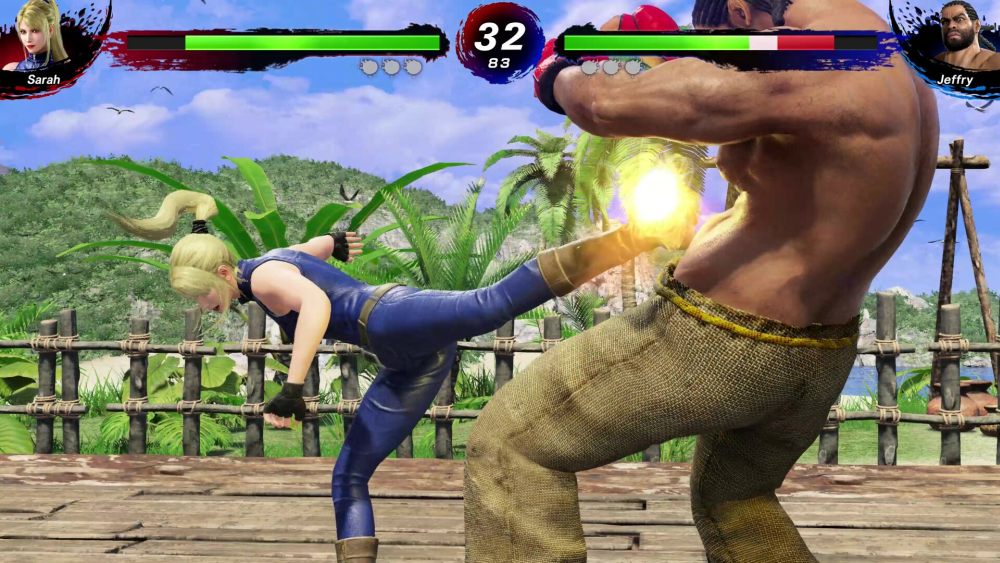
The game first hit arcades in 2006, later making its way to the PlayStation 3 and Xbox 360. The game’s standout feature was its expanded roster. VF5 introduced two new characters, bringing the total cast to 17 fighters.
One striking enhancement was the overhaul of the combat system to accommodate a faster and more fluid style of play. Virtua Fighter 5 integrated refinements to its already robust mechanics, such as improved sidestepping and defensive options, giving players even more ways to manage 3D movement during heated matches. A new Clash System was also introduced, creating situations where attacking moves could nullify each other and forge openings for counterattacks.
Another defining aspect of VF5 was the inclusion of gorgeous and diverse stages that showcased dynamic and visually stunning backdrops. The console versions of the game added several key elements that ensured its popularity among both arcade purists and home players. On the PlayStation 3, the game launched with excellent fidelity to the arcade version’s visuals and gameplay, offering vibrant high-definition graphics and smooth animations. The Xbox 360 version, released a year later, enhanced the experience further by introducing online multiplayer capability. This feature marked a significant shift for the series, allowing players to compete against others worldwide and solidifying Virtua Fighter 5 as a staple in the evolving landscape of competitive gaming.
Enhanced versions and the PC release
Virtua Fighter 5 also saw multiple iterations that enriched the overall experience. Virtua Fighter 5 R, released in arcades in 2008, introduced gameplay refinements, additional moves for each character, a rebalanced roster, a new arena stage, and a new character, Jean Kujo. Two years later, VF5 Final Showdown arrived as the definitive version of the game, featuring further mechanical adjustments, new animations, reworked stages, and an even more balanced roster. Final Showdown, released digitally on consoles in 2012, was specifically tuned for competitive play. It included a robust training mode, online leaderboard support, and an impressive suite of character customization options, allowing players to personalize their fighters with hundreds of cosmetic items.
PC players finally got a chance to play VF5 when Virtua Fighter 5 R.E.V.O was released on January 27, 2025. This edition brings 19 playable fighters, a Rollback netcode, and 4K graphics.
Spin-offs
Besides major installments and their enhanced editions, the Virtua Fighter series has had numerous other releases, including crossovers and mobile games.
- Virtua Fighter Animation. It’s a 2D fighting game based on the anime series, featuring simplified mechanics and storytelling elements. It captures the essence of the franchise while offering accessible gameplay for fans of the show and newcomers alike.
- Virtua Fighter Kids. VF Kids reimagines the series with chibi versions of its characters, adding a whimsical tone. Maintaining the depth of VF mechanics, it also speeds up gameplay for a lighter, more dynamic experience that appeals to a broader audience.
- Fighters Megamix. Virtua Fighter characters meet warriors from Fighting Vipers. With an eclectic roster, including Sega cameos and customizable fighting mechanics, it delivers a fun and varied experience for fans of Sega’s fighting universe.
- Virtua Quest. It combines action RPG elements with Virtua Fighter’s rich universe. Players explore vibrant worlds, solve puzzles, and fight enemies using Virtua Fighter-inspired combat. Its unique take on the franchise fuses storytelling and exploration with classic martial arts action.
- Virtua Fighter: Cool Champ. This mobile game introduces simplified touch-based combat while retaining the iconic moves of the main series. It’s designed for casual play, featuring smaller arenas and streamlined mechanics for on-the-go excitement.
- Virtua Fighter: Fever Combo. This mobile title turns the martial arts series into a rhythm-based fighting game. Players time inputs to music tracks while performing signature moves. Its creative blend of styles offers a unique twist on the classic Virtua Fighter gameplay.


GTA 6. Everything we know so far [Release, editions, and pre-orders]
To say that people were excited about the GTA 6 news would be an understatement. One of the most popular RPG games ever made has finally received its first trailer.

How to Save Money on PC Games by Choosing the Right Edition: Standard, Deluxe or Ultimate
How to save money on PC games: compare Standard, Deluxe and Ultimate editions, season passes, early access and later upgrades before you buy.

GTA Games in Order: The Complete History of Grand Theft Auto
Find out how Grand Theft Auto grew from a 1997 top-down crime game into one of the best-selling franchises ever made. This guide lists all GTA games in order of release and recaps each one: the story, the gameplay, and its impact on the industry.