
Remasters, remakes, and reboots. What is the difference, and why are they everywhere?

Every month brings a wave of new versions of classic games. The surge of reboots, remakes, and remasters is driven by factors far more intricate than simple nostalgia.
Table of Contents:
Remasters, remakes, and reboots – that’s the difference?
Video game remasters are updated versions of older games. Developers improve the graphics, sound, and performance to make it look and feel better on modern systems, but the core gameplay and story remain the same or only slightly altered. Some remasters add additional content, like new maps and missions. Usually, they also include all the previously released expansions.
- Examples: The Last of Us Remastered, Legacy of Kain Soul Reaver 1 & 2 Remastered, Life Is Strange Remastered Collection
A remake is a complete rebuild of an older game from the ground up. Developers recreate the game with modern technology, often updating the graphics, gameplay mechanics, and sometimes even the story to appeal to new and old players alike.
- Examples: Mafia: Definitive Edition, Silent Hill 2, Tony Hawk 1 + 2.
And a reboot is a fresh start for a game series. Developers take the core idea or characters and reimagine them, often with a new story, setting, or gameplay style. It’s like hitting the reset button on the franchise. Video game series are usually rebooted with either a remake or an entirely original installment.
- Examples: Mortal Kombat, Tomb Raider Legend, Prince of Persia: The Sands of Time.
You can compare those three to cars. Remastering is like polishing an old ride to make it shiny and run smoother but keeping the same engine and design. Remastering would mean rebuilding it with new parts, a modern design, and better features, while keeping the spirit of the original. And a reboot takes inspiration from an old car model but presents a completely new version with a different look and purpose.
Nostalgia meets new games
Nostalgia is a powerful force, fueling the resurgence of movie franchises, musicians, and fashion trends from decades past. Its impact extends to the gaming industry as well. Yet, for modern players, nostalgia alone isn’t enough. They crave more than simply revisiting the games they loved as kids or teenagers. How can nostalgia and the desire to play new games combine? Enter reboots and remasters!
Here are only some of the new versions of 2025 titles that originally came out years ago.
- The Elder Scrolls IV: Oblivion,
- Metal Gear Solid Delta: Snake Eater,
- Tomb Raider IV–VI Remastered,
- System Shock 2: 25th Anniversary Remaster,
- Syberia Remastered,
- Super Mario Galaxy + Super Mario Galaxy 2,
- Tony Hawk’s Pro Skater 3 + 4.
Furthermore, new versions of Max Payne 1 & 2, Gothic, and The Witcher are among the most anticipated releases. Why are there so many remasters and remakes?
Why are there so many remasters and remakes?
Nostalgia is only one reason behind the abundance of remakes and remasters. The other, and even more important, is money. However, it’s not the main reason why developers and publishers decide to refresh their timeless hits. As is often the case in life, the main reason is money.
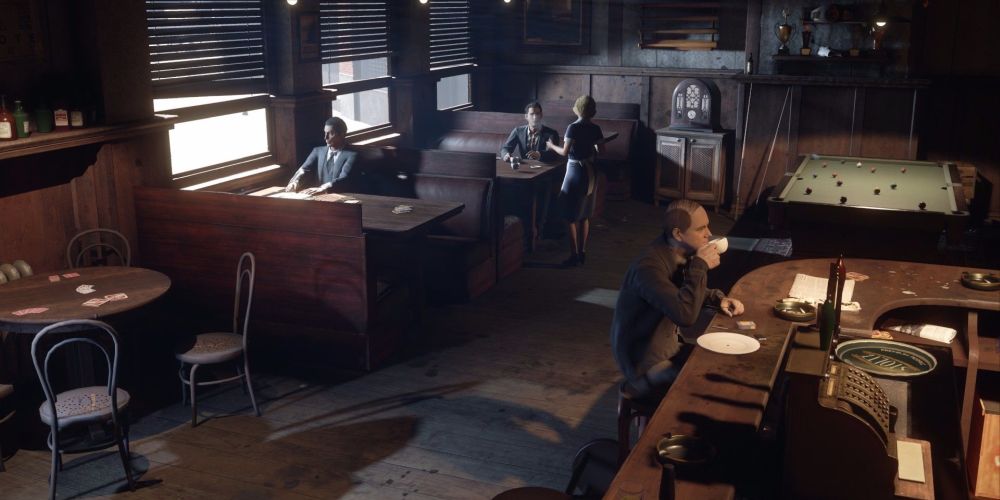
In today’s market, developing video games is often a costly and lengthy process. AAA titles have budgets of Hollywood blockbusters. By refreshing an existing title, they can save significant time and money since the core elements like game mechanics and story are already there. While some projects, particularly remakes and reboots, still demand considerable effort, it’s a fraction of the work required to build a new game from the ground up.
Furthermore, marketing a renowned title is far less demanding than promoting an original title because there’s already a fanbase. Moreover, the title exists in the gamers’ consciousness. These factors make remasters and remakes a safe business choice that helps minimize the risk of a spectacular fiasco.
Remakes are good for games
Business interest doesn’t always align with what’s best for gamers. Thankfully, the return of classic titles offers plenty of reasons for excitement among gaming enthusiasts. For one, these re-releases often provide the opportunity to revisit and enjoy beloved games from the past.
Technical issues
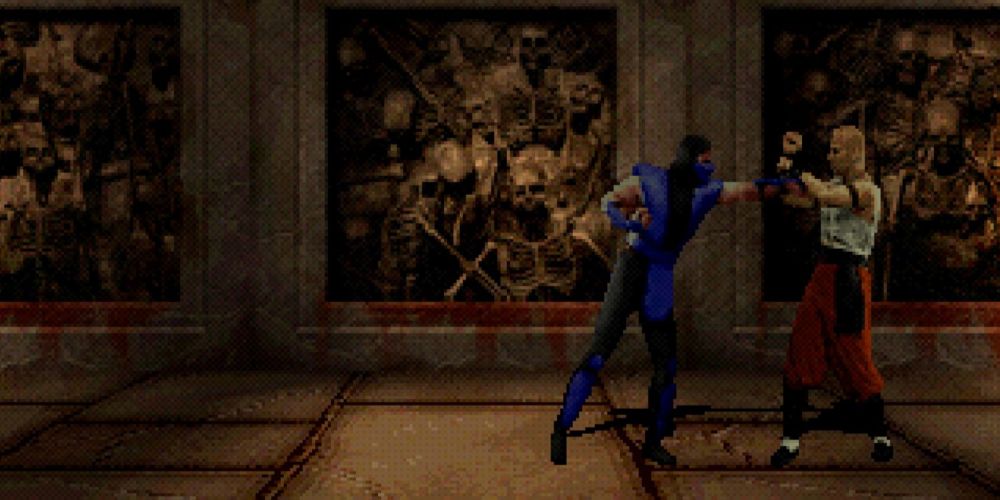
While you can easily read a 100-year-old book, running a 20-year-old game on a modern system can be complicated, if not impossible. Many classic games were released exclusively for consoles that are now museum pieces. Remasters solve this by optimizing these older titles for today’s hardware and releasing them on popular platforms. Moreover, they are widely available on Steam, GOG, Epic, PS Store, GAMIVO, and so on. For instance, Mortal Kombat Legacy Kollection is, for most players, the first chance to play Mortal Kombat Mythologies: Sub-Zero.
Outdated gameplay
Unlike books or movies, video games have evolved at an extraordinary pace in recent years. Even groundbreaking titles were constrained by the technological limitations of their era. Consequently, older releases can be challenging not only to launch but also to genuinely enjoy due to their outdated visuals, save systems, and mechanics. As a result, only a few younger players would experience classics like Resident Evil, Silent Hill 2, or Oblivion without their modernized iterations. Let’s be honest, playing the first Witcher with its odd combat system would repel most young gamers. The upcoming remake will let them experience the game’s remarkable story with more approachable mechanics.
Hence, even if the abundance of refurbished old hits can suggest that the developers have run out of ideas, it’s not a bad tendency. For developers and publishers, it’s a safe strategy that can be lifesaving, particularly during the recession. Whereas for gamers, it’s a chance to experience classic adventures with modern visuals.

GTA 6. Everything we know so far [Release, editions, and pre-orders]
To say that people were excited about the GTA 6 news would be an understatement. One of the most popular RPG games ever made has finally received its first trailer.

How to Save Money on PC Games by Choosing the Right Edition: Standard, Deluxe or Ultimate
How to save money on PC games: compare Standard, Deluxe and Ultimate editions, season passes, early access and later upgrades before you buy.

GTA Games in Order: The Complete History of Grand Theft Auto
Find out how Grand Theft Auto grew from a 1997 top-down crime game into one of the best-selling franchises ever made. This guide lists all GTA games in order of release and recaps each one: the story, the gameplay, and its impact on the industry.