
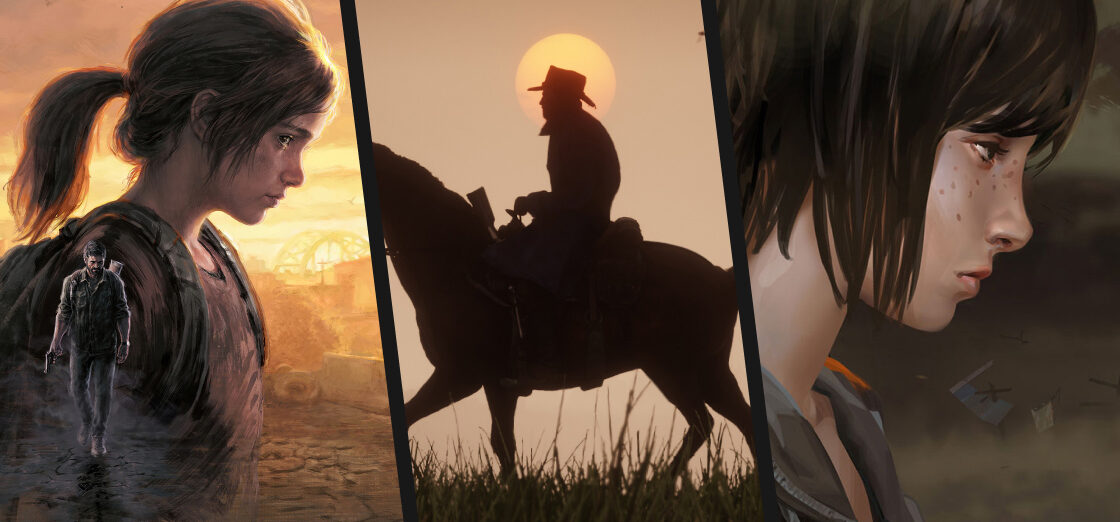
Gaming has evolved far beyond simple entertainment. What once consisted of basic pixels jumping across screens has transformed into an immersive storytelling medium capable of evoking profound emotional responses. The most powerful games don’t just challenge our reflexes or problem-solving skills: they make us feel deeply connected to characters and stories that linger long after we’ve put down the controller.
Throughout gaming history, certain moments have transcended the medium itself, creating experiences so emotionally resonant that they’ve left entire communities of players forever changed. These aren’t just cutscenes or plot twists; they’re carefully crafted emotional journeys that demonstrate gaming’s unique ability to make us active participants in heart-wrenching narratives.
From unexpected character deaths to bittersweet sacrifices, the following moments represent some of the most emotionally devastating experiences in gaming. Each one showcases how interactive storytelling can create bonds between players and virtual characters that feel remarkably real. Whether you’ve experienced these moments firsthand or heard about them through the gaming community’s collective memory, their impact on the medium cannot be overstated.
The Last of Us
Naughty Dog’s post-apocalyptic masterpiece The Last of Us opens with one of gaming’s most brutal emotional sucker punches. Within the first twenty minutes, players witness Joel lose his daughter Sarah during the initial outbreak of the cordyceps infection. The sequence masterfully builds tension as a normal evening transforms into absolute chaos, with players controlling Sarah as she searches for her father in their darkened home.
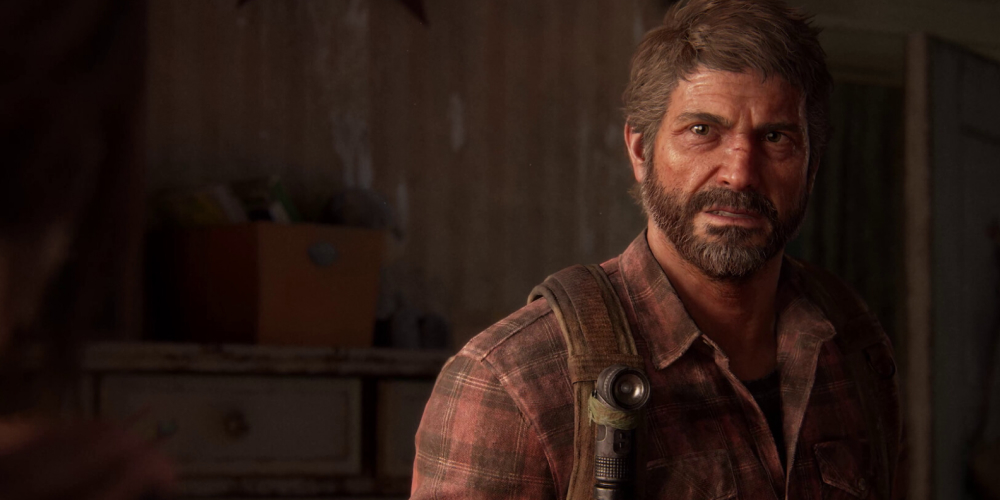
The emotional weight comes not just from the tragedy itself, but from how the game makes players complicit in the experience. You’re not just watching Joel lose his daughter- you’re holding Sarah in your arms as she takes her final breaths. The realistic performances, intimate camera work, and haunting musical score combine to create a moment that immediately establishes the game’s emotional stakes.
This opening sequence sets the tone for Joel’s entire character arc. His overprotective nature toward Ellie throughout the rest of the game stems directly from this traumatic loss. Players understand his motivations not because they’re told about his pain, but because they experienced it alongside him. The game’s controversial ending, where Joel makes a morally ambiguous choice to save Ellie, becomes infinitely more complex when viewed through the lens of that opening tragedy.
Red Dead Redemption 2
Arthur Morgan’s death in Red Dead Redemption 2 represents one of gaming’s most emotional explorations of mortality. What makes this moment particularly devastating is how Rockstar Games allows players to shape Arthur’s final chapter through their choices throughout the game.
As Arthur’s tuberculosis progressively worsens, players watch a man grappling with his own mortality while trying to find meaning in his remaining time. The game doesn’t shy away from the harsh realities of his condition, as you witness Arthur’s physical deterioration through gameplay mechanics, cutscenes, and even his journal entries written in an increasingly unsteady hand.
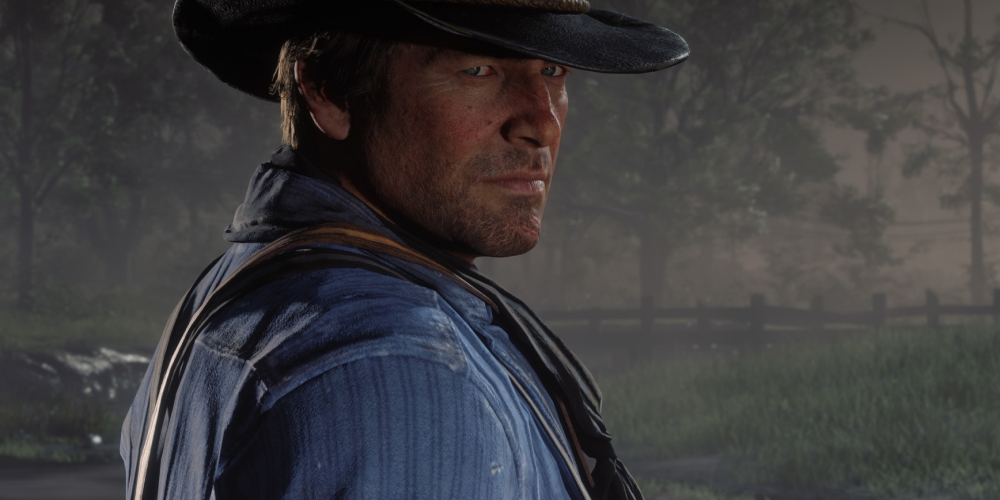
The emotional impact reaches its peak during Arthur’s final ride back to camp, accompanied by the haunting song. This sequence serves as both a farewell to Arthur and a reflection on the choices players made throughout their journey. Depending on your honor level, Arthur’s death scene varies, but regardless of the path taken, his final moments, focusing on watching the sunrise rather than the violence around him provides a moment of peace that feels earned rather than given.
What elevates this moment beyond simple character death is how it reflects the broader themes of the American frontier’s end. Arthur represents the last of a dying breed, and his passing symbolizes the inevitable march of progress and civilization. Players don’t just lose a character they’ve controlled for dozens of hours—they witness the end of an era.
Life Is Strange
Life Is Strange builds toward one of gaming’s most agonizing moral dilemmas. Throughout the game, players develop a deep connection with both Chloe Price and the fictional town of Arcadia Bay. The supernatural elements that allow protagonist Max to rewind time create a false sense that every mistake can be undone, every tragedy averted.
The final choice shatters this illusion completely. Players must decide between saving Chloe, the person who has been at the center of Max’s entire journey, or allowing her to die to prevent a supernatural storm from destroying Arcadia Bay and everyone in it. The game presents compelling arguments for both choices, refusing to provide an obviously “correct” answer.
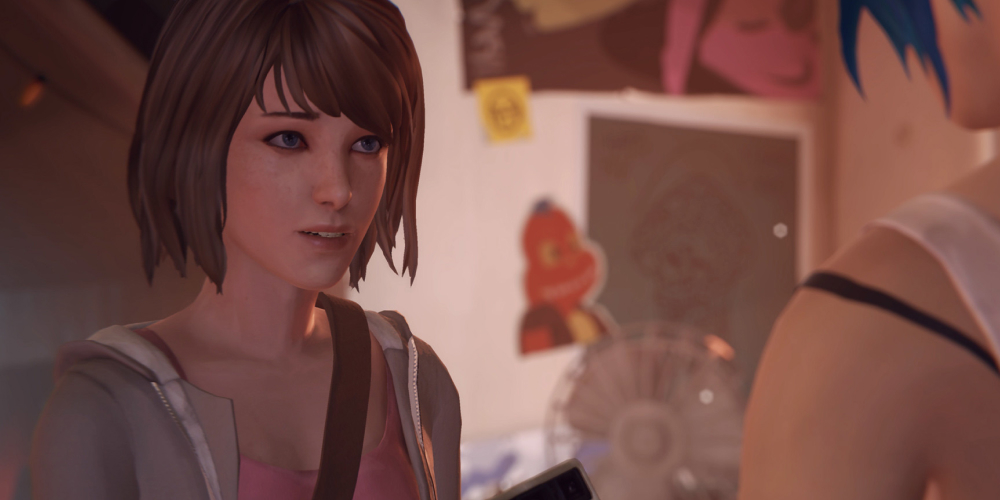
What makes this moment particularly cruel is how the game has spent five episodes developing the relationship between Max and Chloe. Players have witnessed their rekindled friendship, shared in their adventures, and invested emotionally in their bond.
The “Sacrifice Arcadia Bay” ending offers its own emotional weight, as players must live with the knowledge that thousands died for the sake of one relationship. Neither choice feels good, and that’s precisely the point. Life Is Strange forces players to confront the reality that some decisions have no winning outcomes.
Mass Effect 3
The Mass Effect trilogy’s conclusion presents multiple emotional gut punches, but none hit harder than Commander Shepard’s final sacrifice in Mass Effect 3. After three games of building relationships, making impossible decisions, and fighting to save the galaxy, players must watch their character make the ultimate sacrifice to defeat the Reapers.
The emotional weight comes from the series’ emphasis on player choice and relationship building. Over the course of three games, players have formed deep connections with crew members like Garrus, Tali, and Liara. Shepard’s final goodbyes to these companions, particularly the scene where they refuse to board the Normandy and abandon their commander, showcase relationships that feel genuinely meaningful.
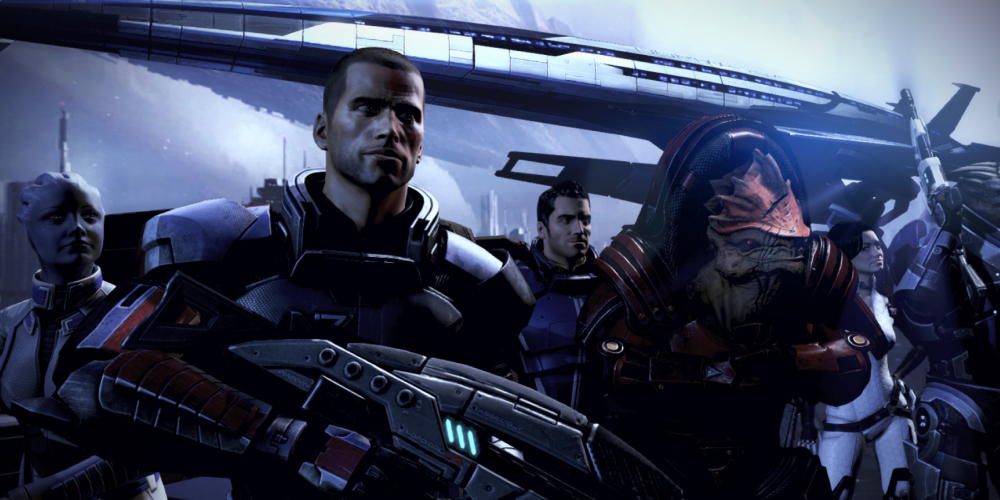
The destruction of the Mass Relays that follows Shepard’s sacrifice adds another layer of bittersweetness. The galaxy is saved, but the network that connected civilizations is gone. Characters who found love across species barriers are potentially separated forever. The victory comes at a cost that extends far beyond Shepard’s individual sacrifice.
BioWare’s decision to initially offer no scenarios where Shepard definitively survives (later modified in the Extended Cut DLC) emphasized the finality of the moment. This wasn’t a heroic death that could be undone or revealed as a fake-out. Shepard’s story was over, and players had to accept that their three-game journey with this character had reached its end.
Telltale’s The Walking Dead
Few gaming moments have generated as many tears as Lee Everett’s final conversation with Clementine in Telltale’s The Walking Dead. Over the course of five episodes, players watch Lee evolve from a man running from his past into a father figure desperately trying to protect an eight-year-old girl in a world gone mad.
The emotional devastation begins long before Lee’s actual death. Players must navigate his zombie bite reveal, the amputation decision, and his gradually weakening condition while trying to save Clementine from her kidnapper. Every choice feels weighted with the knowledge that Lee’s time is running out.
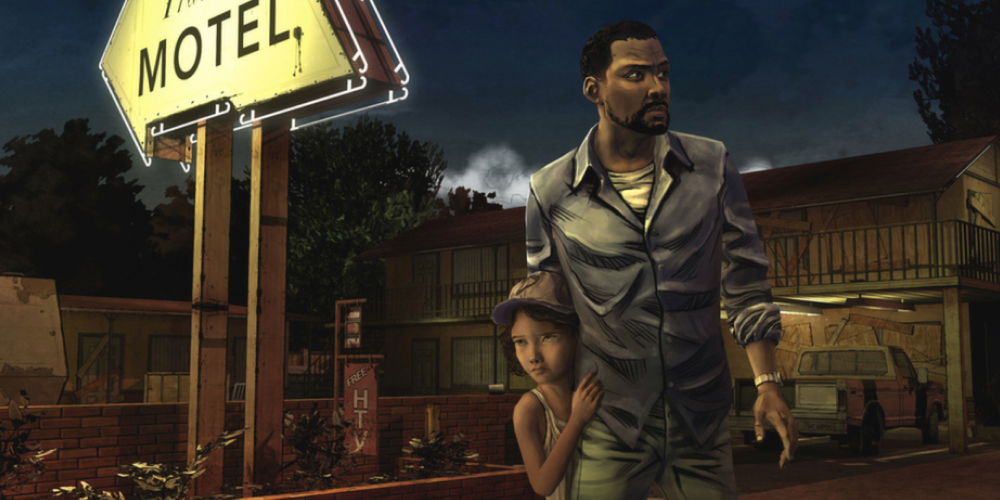
The final scene between Lee and Clementine represents a masterclass in interactive storytelling. The game allows players to shape Lee’s final words to Clementine, creating a personalized goodbye that reflects the relationship they’ve built throughout their journey. Whether players choose to have Clementine shoot Lee or leave him to turn, the moment serves as both an ending and a beginning ,Lee’s death marks Clementine’s transformation from protected child to survivor.
What makes this moment particularly powerful is how it subverts traditional video game power fantasy. Players can’t fight their way out of this situation or find a clever solution. Sometimes, despite your best efforts and intentions, you lose the people you’re trying to protect. The game forces players to confront mortality and loss in a way that few other mediums can achieve.
Metal Gear Solid 3
Hideo Kojima crafted one of gaming’s most emotionally complex climaxes with The Boss’s death in Metal Gear Solid 3. What begins as a straightforward mission to eliminate a traitor evolves into a heart-wrenching meditation on loyalty, sacrifice, and the nature of patriotism.
The emotional impact stems from the gradual revelation that The Boss’s apparent betrayal was actually a deep-cover mission sanctioned by the U.S. government. She knowingly accepted a role that would brand her as a traitor for the rest of history, understanding that her true sacrifice would never be publicly acknowledged.
The final boss battle itself becomes a metaphor for this emotional conflict. Players must literally pull the trigger to end The Boss’s life, making them complicit in her sacrifice. The ten-minute time limit adds urgency, but many players report hesitating despite the countdown, struggling with the knowledge of what they must do.
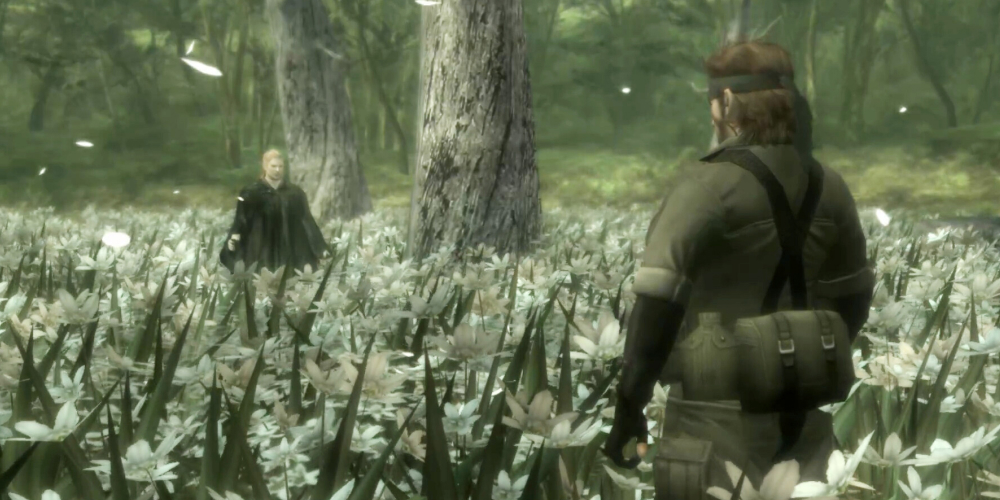
The field of white flowers where the battle takes place provides a beautiful but melancholy backdrop for this tragic conclusion. The Boss’s final salute to Snake, performed with her dying breath, serves as both a farewell and a final act of respect between mentor and student. Her death scene, accompanied by the haunting “Snake Eater” theme, creates a moment that’s simultaneously beautiful and devastating.
Final Fantasy VII
Long before emotional storytelling became common in video games, Final Fantasy VII delivered one of the medium’s first truly shocking character deaths. Aerith Gainsborough’s murder at the hands of Sephiroth midway through the game shattered player expectations and established new possibilities for interactive storytelling.
The emotional impact came partly from subverting traditional video game conventions. Aerith wasn’t a minor character or obvious sacrifice; she was a main party member with unique abilities, her own weapon upgrades, and significant story importance. Players had invested dozens of hours developing her character, learning her backstory, and watching her relationship with Cloud develop.
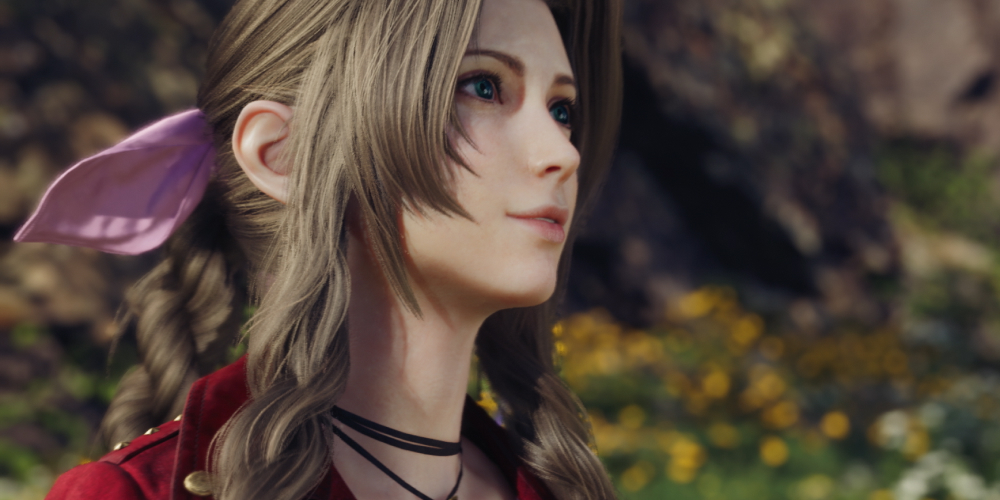
The death scene itself masterfully builds tension before delivering its brutal payoff. The beautiful setting of the Forgotten City, combined with Aerith’s prayer ceremony, creates a sense of hope and spiritual significance. Sephiroth’s sudden appearance and swift action catches players completely off guard, transforming a moment of beauty into one of horror.
What truly sets this moment apart is its permanence. Unlike many other JRPGs of the era, Final Fantasy VII offers no resurrection spells or plot devices to bring Aerith back. Her death has lasting consequences for both the story and gameplay, forcing players to adjust their strategies while processing their emotional loss. The game’s continued exploration of grief through Cloud’s character development ensures that Aerith’s absence continues to affect players long after her death scene.


Stranger Than Heaven: release date, story and gameplay explained
RGG Studio’s next Yakuza game finally has a release date. Stranger Than Heaven takes us back to 1915 with a cast that mixes Japanese TV stars with Snoop Dogg, Tori Kelly and Ado. Here’s everything we know so far about the story, cast, editions and gameplay.

Cheapest Place to Buy Steam Keys, and What a Steam Key Really Is
The cheapest place to buy Steam keys is the one with the right key: Steam activation, a matching region, and the edition you want.

Genshin Impact 6th Anniversary: Two Free 5-Stars, 20 Wishes and a lot of rewards in Version 7.1
Genshin Impact turns six with two free 5-stars: a limited pick like Varesa, Clorinde or Childe, plus a standard one like Diluc or Mizuki. Add 20 free wishes and here’s how to claim it all.