Microtransactions. Unethical? Immoral? Gamble-provoking? For sure, they are not flawless, cause a lot of controversy and problems, but they did change the whole industry and created a new space in gaming market. But what exactly are they?
Microtransaction (later described as MTX) is an additional content which is not included in original game, weather it is free to play game, or you need to pay for the pleasure of playing. They are different from DLCs that are often more complex, for example, an additional campaign to the original story or a new playable race to your favorite strategy game. 99% percent of the time we can find them in online multiplayer games.
Easy to understand distinction
First and foremost, we need to clearly divide MTX in to two categories. Ones that affect the gameplay, opening new possibilities which were hidden behind the pay-wall, therefore making a game somewhat incomplete, and ones that are just cosmetical effects – better known as “skins”.
The second category is less harmful, because it doesn’t create so called “pay-wall”. Player who is not in possession of a particular microtransaction, probably because they can’t afford it, from this group won’t be behind another player, who has one. It’s just a visual effect that doesn’t affect your character in RPG game or your kingdom in RTSes.

Unfortunately, the first category exists and is more common than the second one. The key to understand how much of a problem they are, we need to know what pay-wall is. It is a cause of describing a game as a “pay-to-win game”, which is an equivalent of a disregard towards the players and not treating them seriously. A pay-wall divides players into two nations. Ones that can afford buying MTX making them immune to pay-wall, and others who can’t. Buying such microtransactions creates an advantage for the first nation. They don’t need to spend countless hours to grind off a certain character (Star Wars Battlefront II case) or wait for the reset of building timers (many RTS mobile games), essentially making them better in term of game statistic, just because the pay more money. The second nation, free-to-play nation, will end up so much behind from the first one that they either will be forced to spend money or gave up on playing a game.
It shouldn’t be Vegas
Before we jump to the bright
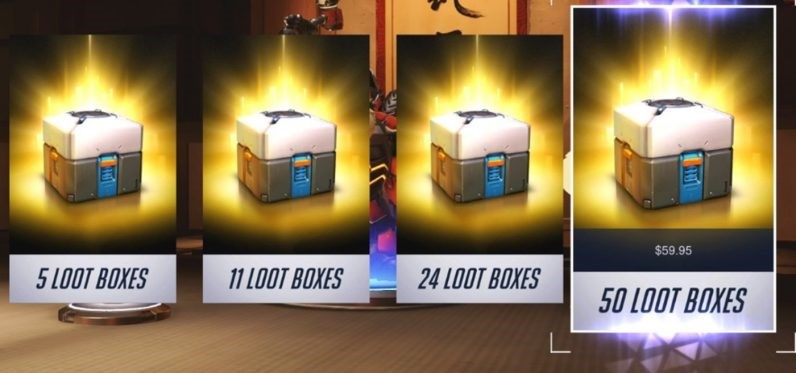
side of the microtransactions, there is one thing we can’t omit. Gambling and lootboxes…
You can buy MTX directly from the shop and it is you who decide what you’re
getting. But there is an alternative. Mentioned lootboxes offers you to pay
some amount of money, but the outcome of your purchase depends on an algorithm.
An algorithm that most of the times encourages gambling and can be a source of
an addiction. Unfortunately, it is proven to be one of the best sources of
income for the developers and we should understand that.
Positives

That’s enough when it
comes to the downsides of MTX. That specific shift in the approach of getting
money from players had born other interesting phenomenona. I’ll draw the best
image from the Path of Exile
example. The game itself is completely free and there is no any type of
pay-walls. One could ask how do they make profit? The answer is our main topic.
Grinding Game Gears offers an enormous list of microtransactions, not only
skins but so-called “supporter packs”. It’s a bundle with skins and some points
(after calculations it’s worth to buy them instead of buying things separately)
to spend in the MTX shop, but some of them offers purchasers to design an item
that will appear in game. It’s a great way to a) get money, b) create a
trustworthy bound with your players. They can commemorate their support for the
free to play game in the form of unique and ever-lasting item of their choice.
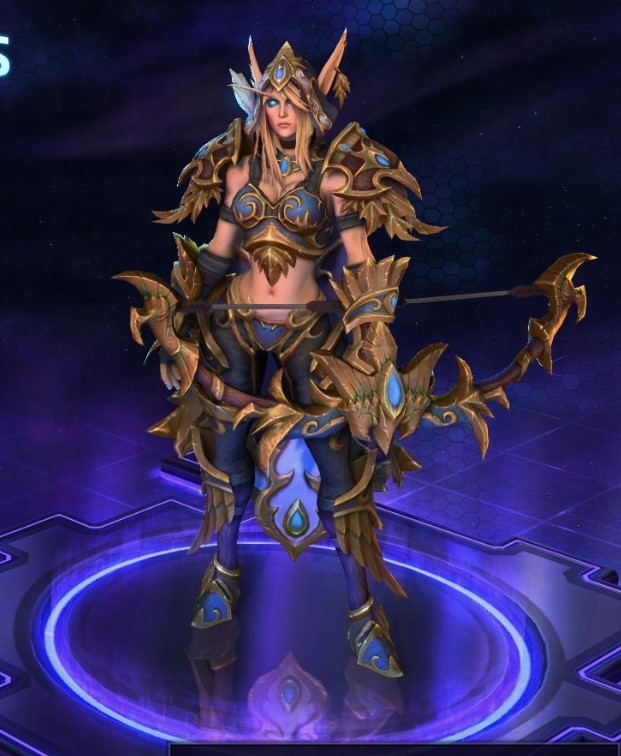
The development of the microtransactions also affects the visual aspect of the game. The game artists are ascending to the next levels just so the players can bathe in the crispness of new skins and models.
Conclusions
The most visible influence of microtransactions must be linked with pay models of certain games. Back in the days there were either paid or free games. Now we are witnessing hybrid models, which are full of MTX that come from our first group. The player has only an illusion of progression but in the end, they hit the infamous pay-wall. That case uncommonly seen in PC/Console gaming but is almost inevitable in the mobile industry.
After all it all comes down to money, and the micro pixels in form of skins or other games are the best way to create enormously big money transactions between player base and the developer.


Zenless Zone Zero 3.3: New Agents, Mech Combat and the Honkai: Star Rail Crossover
Zenless Zone Zero 3.3 arrives on October 21 with two new S-Rank Agents, pilotable mechs and a Halloween event lineup. We break down what is confirmed, including the Honkai: Star Rail crossover coming in 3.4.