
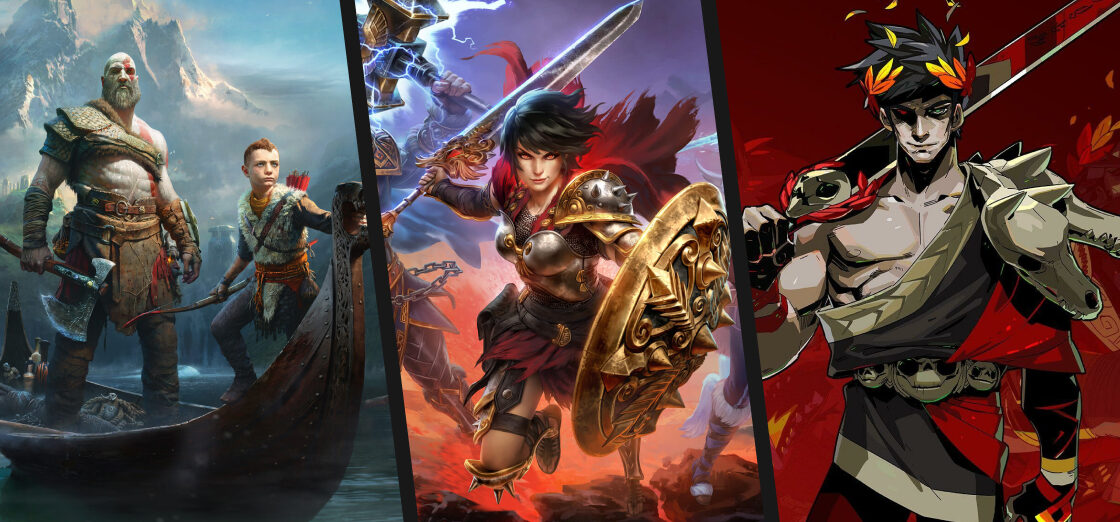
Video games have always drawn inspiration from mythology, transforming ancient tales into interactive adventures that let players step into the shoes of gods, heroes, and legendary figures. These games offer much more than just entertainment!
A fantastic inspiration for video games
From Norse mythology to ancient Greek legends, game developers have masterfully woven mythological elements into their creations. The result is a diverse collection of titles that educate, entertain, and immerse players in worlds where divine powers and epic quests await at every turn.
Here are eight exceptional video games that showcase the best of mythological storytelling in gaming.
Hades: A modern masterpiece of Greek mythology
Hades stands as perhaps the most celebrated mythological game of recent years, and for good reason. This roguelike action game puts players in the role of Zagreus, son of Hades, as he attempts to escape the underworld and reach Mount Olympus.
What sets Hades apart is its authentic approach to Greek mythology. The game features a cast of well-known deities, including Zeus, Poseidon, Athena, and Artemis, each with distinct personalities that align with their mythological counterparts. The narrative brilliantly integrates these characters into the gameplay mechanics, with gods offering boons (power-ups) that reflect their mythological domains.
The game’s art style deserves special mention, hand-drawn characters and environments bring the underworld to life with stunning visual fidelity. Combat feels fluid and satisfying, while the story unfolds organically through repeated playthroughs, making each death feel meaningful rather than frustrating. The game received a sequel, Hades 2, that is currently available in Early Access.
Hades proves that mythological themes can feel fresh and relevant when handled with creativity and respect for the source material.
Black Myth: Wukong brings chinese mythology to life
Black Myth: Wukong represents a landmark achievement in bringing Chinese mythology to mainstream gaming. Based on the classic novel “Journey to the West,” this action RPG follows the adventures of the Monkey King, one of the most beloved characters in Chinese literature.
The game showcases incredible attention to detail in its representation of Chinese mythological creatures, deities, and landscapes. Players witness the Monkey King’s supernatural abilities firsthand, including his famous 72 transformations and cloud-somersaulting technique.
What makes Black Myth: Wukong particularly impressive is its commitment to cultural authenticity. The developers worked closely with cultural consultants to ensure accurate representation of Chinese mythological elements, from character designs to architectural details.
The combat system emphasizes the Monkey King’s agility and magical abilities, creating a gameplay experience that feels true to the character’s mythological origins. Boss battles against legendary creatures from Chinese folklore provide epic encounters that test both skill and strategy.
Assassin’s Creed Origins: ancient Egypt comes alive
Assassin’s Creed Origins transports players to ancient Egypt during the reign of Cleopatra, immersing them in a world where Egyptian mythology permeates every aspect of daily life. The game serves as both entertainment and educational tool, offering unprecedented access to ancient Egyptian culture and beliefs.
Players encounter numerous Egyptian deities throughout their journey, including Ra, Anubis, and Sobek. These gods aren’t just background elements—they actively participate in the narrative through visions, trials, and divine interventions that shape the protagonist’s destiny.
The game’s recreation of ancient Egypt is breathtaking in its scope and accuracy. From the towering pyramids of Giza to the bustling streets of Alexandria, every location reflects careful research into historical and mythological sources.
Combat encounters with mythological creatures add excitement to exploration. Players face off against giant scorpions, divine pharaohs, and other legendary beings that test their skills while deepening their connection to Egyptian mythology.
God of War: norse mythology reimagined
The 2018 God of War reboot successfully reinvented the franchise by shifting focus from Greek to Norse mythology. This change breathed new life into the series while maintaining its core identity as an action-adventure game about divine conflicts.
Kratos, the former Greek god of war, now lives in the Norse realms with his son Atreus. This generational dynamic adds emotional depth to the mythological narrative, as father and son navigate a world populated by Norse gods, giants, and mythical creatures.
The game’s interpretation of Norse mythology feels authentic and respectful. Characters like Odin, Thor, and Loki are portrayed as complex beings with motivations that align with their mythological personalities. The World Tree Yggdrasil serves as both a navigational hub and a symbol of the interconnected nature of the Nine Realms.
Combat mechanics reflect Norse warrior culture, emphasizing brutal, close-quarters fighting with axes and shields. Environmental storytelling through runic inscriptions and mythological artwork further enriches the experience.
Prince of Persia: Persian mythology and time manipulation
The Prince of Persia series has long drawn inspiration from Persian mythology and folklore, creating a unique blend of acrobatic gameplay and mystical storytelling. The games transport players to ancient Persia, where magic carpets, djinn, and time manipulation are part of everyday reality.
The Sands of Time trilogy particularly excels at weaving Persian mythological elements into its core gameplay mechanics. The ability to rewind time isn’t just a gameplay gimmick—it’s rooted in Persian concepts of fate and destiny that run throughout the series’ narrative.
Characters and creatures from Persian mythology populate the games, from the wise Vizier to the terrifying Dahaka. These beings aren’t just obstacles to overcome; they represent different aspects of Persian cultural beliefs about power, corruption, and redemption.
The architectural design draws heavily from Persian art and culture, creating environments that feel both fantastical and grounded in historical inspiration. Palace courtyards, desert cities, and mystical gardens all reflect the rich artistic heritage of ancient Persia.
Immortals: Fenyx Rising delivers greek mythology adventure
Immortals: Fenyx Rising offers a colorful, accessible take on Greek mythology that appeals to players of all ages. The game follows Fenyx, a young hero on a quest to save the Greek gods from the titan Typhon.
What sets Immortals apart is its lighthearted approach to mythological storytelling. The game doesn’t take itself too seriously, incorporating humor and modern sensibilities while maintaining respect for its source material. This balance makes Greek mythology approachable for newcomers while still satisfying longtime fans.
The open-world design encourages exploration of mythological locations, from the Clashing Rocks to the Forges of Hephaestus. Each region represents a different Greek god’s domain, complete with unique challenges and visual themes that reflect their mythological associations.
Puzzle-solving plays a major role in gameplay, with many challenges inspired by famous Greek myths and legends. These puzzles require both logic and knowledge of mythological stories, creating an educational element that enhances the overall experience.
Okami: Japanese mythology in artistic splendor
Okami stands as one of gaming’s most beautiful tributes to Japanese mythology. Players control Amaterasu, the sun goddess manifested as a white wolf, on a quest to restore color and life to a world corrupted by darkness.
The game’s unique visual style, inspired by traditional Japanese ink paintings, creates an aesthetic that feels both timeless and distinctly Japanese. This artistic approach perfectly complements the mythological subject matter, making every moment feel like a living piece of art.
Japanese folklore comes alive through the game’s characters and creatures. Players encounter tengu, kappa, and other yokai from Japanese mythology, each rendered with careful attention to their traditional depictions. The story draws from various Japanese myths, particularly those involving Amaterasu and the eight-headed serpent Yamata-no-Orochi.
The Celestial Brush system allows players to paint directly onto the game world, reflecting the creative power of deities in Japanese mythology. This mechanic transforms problem-solving into an artistic act, reinforcing the game’s themes of creativity and restoration.
Smite: Mythology meets competitive gaming
Smite takes a unique approach to mythological gaming by combining elements from multiple mythological traditions in a competitive multiplayer arena. Players choose from a roster of gods spanning Greek, Norse, Egyptian, Chinese, Hindu, and other mythologies, then battle in team-based combat.
Each god in Smite is carefully designed to reflect their mythological abilities and personalities. Thor wields his hammer Mjolnir with devastating effect, while Ra harnesses the power of the sun to burn his enemies. This attention to mythological accuracy within a competitive framework creates engaging gameplay that educates while entertaining.
The game’s success lies in its ability to make mythological figures feel powerful and distinct. Players must understand each god’s mythological strengths and weaknesses to succeed, creating a learning experience that deepens appreciation for diverse mythological traditions.
Regular updates introduce new gods and mythological pantheons, keeping the roster fresh while expanding players’ knowledge of world mythology. This ongoing commitment to mythological diversity sets Smite apart from other competitive games.
Why mythologies make games more engaging
These eight games demonstrate mythology’s enduring power to enhance gaming experiences. Mythological themes provide rich narrative frameworks that resonate across cultures and generations. They offer familiar characters and stories that players can immediately connect with, while also introducing lesser-known myths that expand cultural understanding.
Mythological settings also provide natural explanations for fantastical gameplay elements. Magic systems, divine abilities, and supernatural creatures all feel organic when placed within mythological contexts. This authenticity enhances immersion and makes extraordinary events feel believable within the game world.
The educational value of mythology-based games cannot be overstated. Players learn about different cultures, historical periods, and belief systems while enjoying engaging gameplay. This combination of entertainment and education creates lasting value that extends beyond the gaming experience.
Whether you’re drawn to the underworld of Hades, the ancient realms of God of War, or the artistic beauty of Okami, these games prove that mythology continues to inspire and captivate modern audiences. They remind us that the stories our ancestors told still have the power to entertain, educate, and transform our understanding of the world around us.

GTA 6. Everything we know so far [Release, editions, and pre-orders]
To say that people were excited about the GTA 6 news would be an understatement. One of the most popular RPG games ever made has finally received its first trailer.

How to Save Money on PC Games by Choosing the Right Edition: Standard, Deluxe or Ultimate
How to save money on PC games: compare Standard, Deluxe and Ultimate editions, season passes, early access and later upgrades before you buy.

GTA Games in Order: The Complete History of Grand Theft Auto
Find out how Grand Theft Auto grew from a 1997 top-down crime game into one of the best-selling franchises ever made. This guide lists all GTA games in order of release and recaps each one: the story, the gameplay, and its impact on the industry.