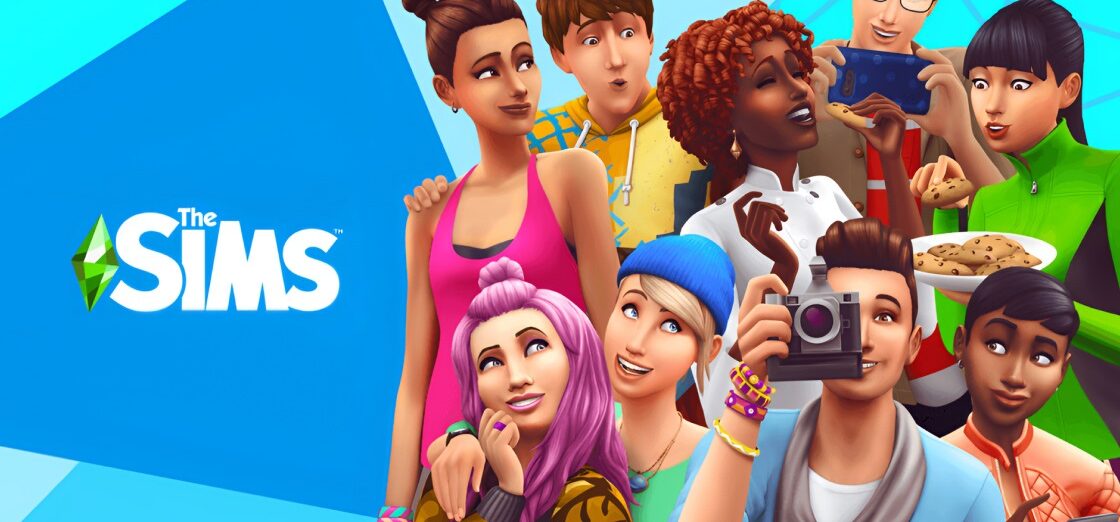
The story of The Sims: a global gaming phenomenon
Few video game series have achieved the longevity, popularity, and cultural impact of The Sims. Since its debut in 2000, The Sims has captivated millions of players worldwide by allowing them to create and control their virtual people, or Sims, in a sandbox-style world.
The beginnings
The franchise, developed by Maxis and published by Electronic Arts, has grown into one of the best-selling video game series of all time. But how did this life simulation game become such a monumental success? Let’s dive into the history and key milestones of the beloved life simulation games.
The concept for The Sims originated with game designer Will Wright. After losing his home in the Oakland firestorm, Wright began reflecting deeply on life, and the role of possessions and material goods. This introspection, paired with his passion for architecture, sparked the idea for a life-simulation game.
“Rarely do you do that in your real life. When something like this happens, you get a big picture. Where do I want to live? What sort of things do I need to buy? You see your life almost as a project in process. When you’re embedded in your day-to-day life you don’t get that perspective.”
Electronic Arts initially doubted the game’s appeal, but after years of development, The Sims was released on February 4, 2000. The game was an instant hit, selling over 16 million copies by 2005 and becoming the best-selling PC game of its time.
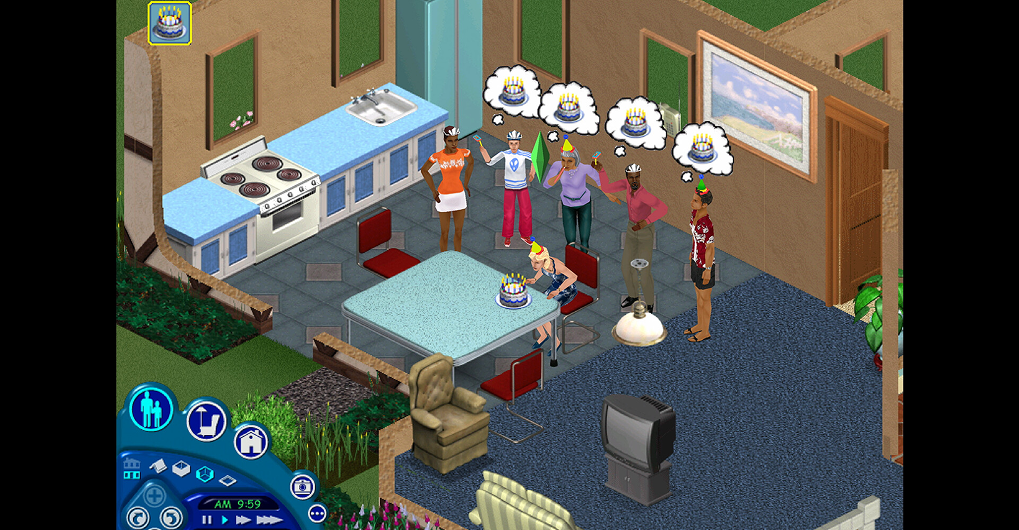

Players were instantly captivated by the idea of the game. You can do whatever you want: will you recreate your life, create a gripping drama with your original characters, spend hours designing houses: everything is a thing in this game.
It’s not surprising that the successful release paved the way for expanding this universe. The first entry in the series received seven expansion packs:
- Livin’ Large
- House Party
- Hot Date
- Vacation
- Unleashed
- Superstar
- Makin’ Magic
The story goes on
On September 14, 2004, Electronic Arts launched The Sims 2, the highly anticipated sequel developed by Maxis. Departing from the original game’s isometric perspective, this title introduced a fully immersive 3D environment, elevating the gameplay experience to a whole new level. This entry received eight expansion packs and nine stuff packs.


The Sims 3 was released on June 2, 2009. This installment introduced several groundbreaking features, including a seamless, open-world neighborhood, enhanced Sim creation tools, and improved build-and-buy modes. This added a more dynamic, directed experience to the sandbox gameplay. Upon its release, The game became a monumental success, selling 1.4 million copies in its first week and claiming the title of the largest PC game launch in history at the time. The third installment received eleven expansion packs.


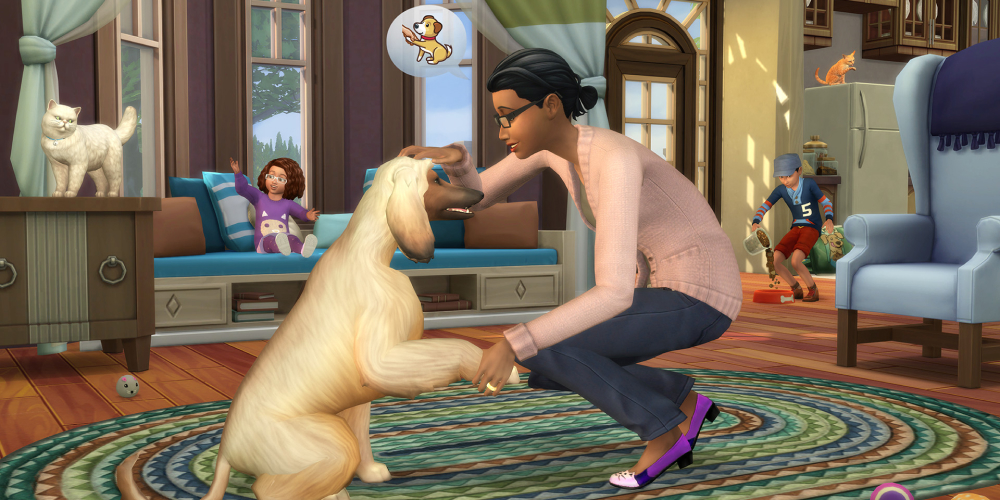
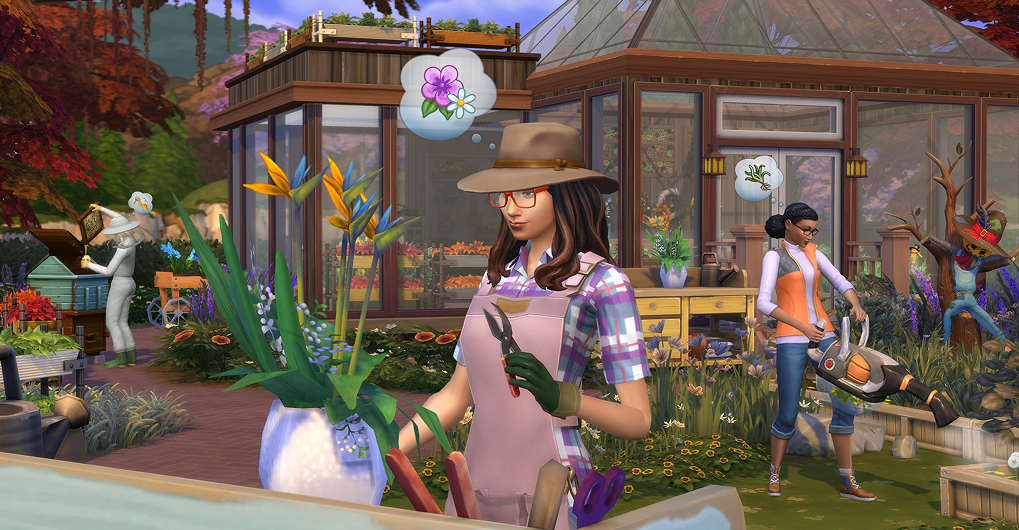
The latest entry, The Sims 4, debuted on September 2, 2014, and continues to receive new content. At some point, The Sims 4 became a free-to-play game, exluding expansion packs and stuff packs. With seventeen expansion packs and twelve game packs, its the biggest installment in the series. In 2025, to mark the 25th anniversary of the series, a new expansion pack was unveiled: Businesses & Hobbies Expansion Pack.
Standalone adventures
The Sims also boasts a few standalone expansions and games that revolve around special mechanics. The first spin-off game, The Sims Online was a 2002 massively multiplayer online game. The game was a subscription-based online multiplayer, in which players could interact with others. Unfortunately, the game lacked the depth of the original title and was met with mixed reviews.
The Sims Stories included three entries (Life Stories, Pet Stories, and Castaway Stories). The games offer both a freeplay Classic mode, allowing for open-ended gameplay, and a structured Story mode, where players must complete a series of objectives to advance the narrative. The Story mode mirrors the linear progression found in console versions of The Sims series, blending goal-oriented tasks with engaging storytelling.
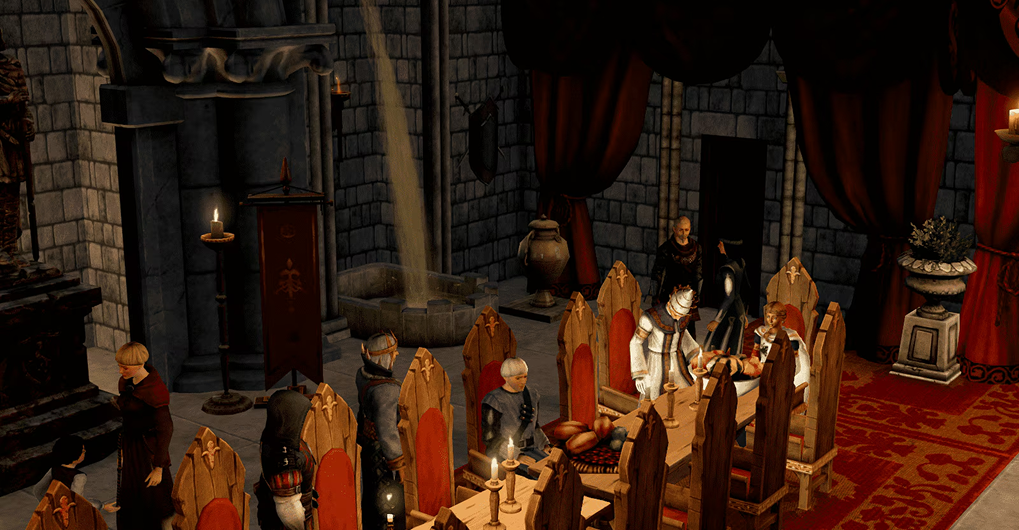
EA released The Sims Medieval in March 2011. Set in a rich medieval world, the game invites players to construct their kingdom through engaging, quest-driven gameplay in a unique setting.
Why The Sims became so popular
Several key factors contributed to its enormous popularity. Players have unparalleled creative freedom, allowing them to design unique characters, build dream homes, and shape their lives in endless, imaginative ways. Unlike traditional games with fixed storylines, it features open-ended gameplay, empowering players to create their own unique narratives.
The game mirrors real life with a relatable and humorous twist, including its playful, exaggerated scenarios and the iconic made-up language, Simlish. Over the years, The Sims has embraced diversity, evolving into a vast universe where everyone can express themselves however they choose. While the focus is on the player’s creations, the game also includes intriguing lore surrounding certain iconic Sims, adding depth to its captivating world.
The future of The Sims
As gaming technology evolves, this life-sim gem continues to push the boundaries of creativity and storytelling, proving that virtual lives can be just as captivating as real ones. Whether you’re an architect at heart, a storyteller, or simply someone who enjoys controlling fates of virtual people, The Sims remains a beloved classic in gaming history.
25 years of continuous storytelling is a remarkable milestone. To celebrate this iconic series, EA has released three exclusive bundles: The Sims 2: Legacy Collection, The Sims: Legacy Collection, and The Sims: 25th Birthday Bundle. Whether you’re looking to relive the magic or experience this legendary life-simulation game for the first time, now is the perfect time to dive in. Visit GAMIVO today and choose your bundle to join the celebration!


Mobile Game Top-Ups on the Most Trusted Game Key Sites: One Guide to Four Games
The most trusted game key sites top up Free Fire, Genshin Impact, Zenless Zone Zero and MLBB with the right ID, a clear price and a set delivery time.