

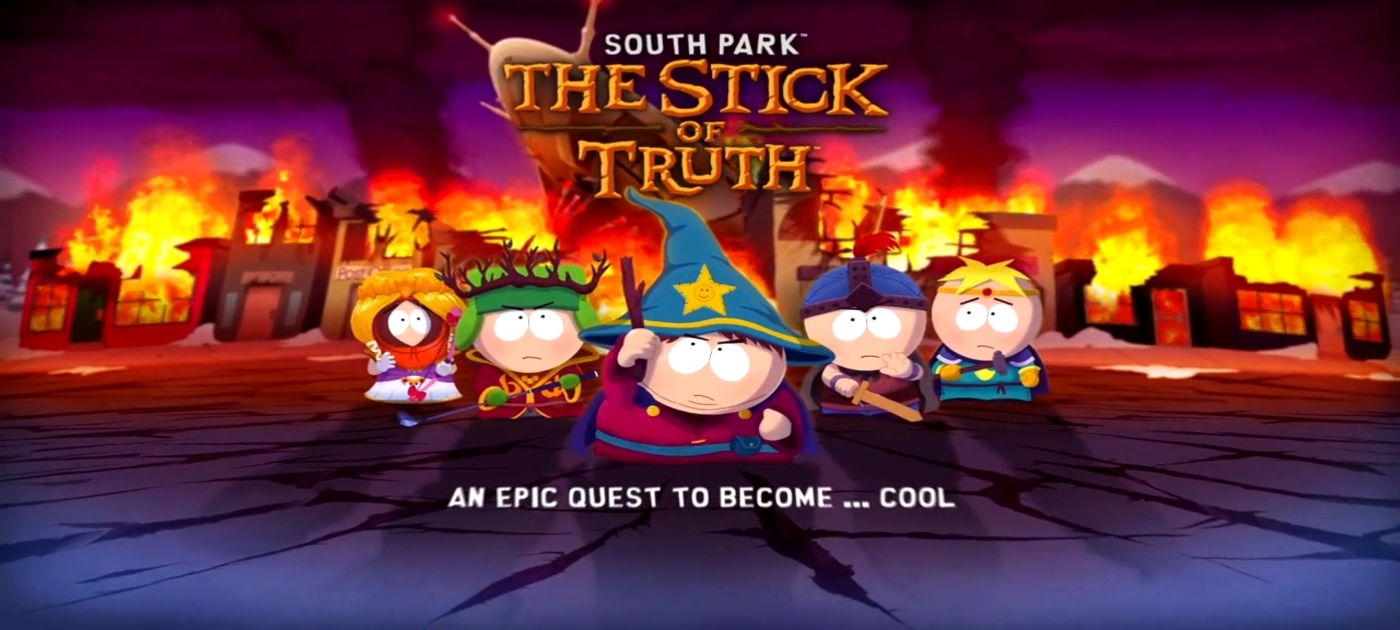
Shiny game packaging and cool cover images are designed to attract attention and provide shelf appeal. They seldom provide any insight into what a game is about or what type of game play it offers to those that aren’t gamers or know little about them. Even reading the description on the back may be of little use. Those are just two of the reasons that PEGI and USK were created.
PEGI vs USK
Pan European Game Information (PEGI) is the rating system used to help customers in 38 European countries make informed decisions about their game buying choices. Unterhaltungssoftware Selbstkontrolle, abbreviated USK and better known as Entertainment Software Self-Regulation, performs the same function for video games in Germany.
The rating systems provide age recommendations for which the game content is appropriate and a brief description about the game’s premise. The information is important for multiple reasons. First, it can prevent you from buying a game that sounds good, only to discover you don’t like it.
Secondly, it provides valuable assistance if you’re looking for a specific type of game. Third, it can save you money.
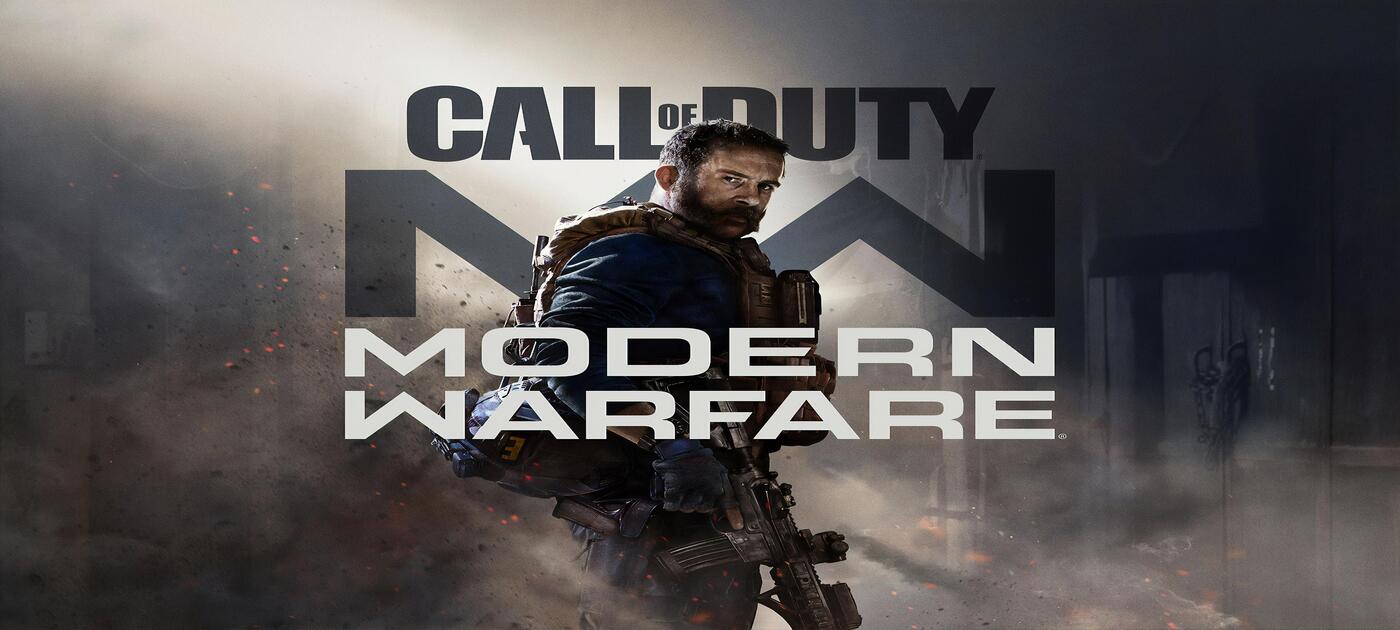
The data is essential when buying games for children. Grandparents and others that may not be particularly informed about video games often purchase games for children as gifts. In many instances they buy a game the child has asked for by name without having any idea of what the game is about or if its age appropriate.
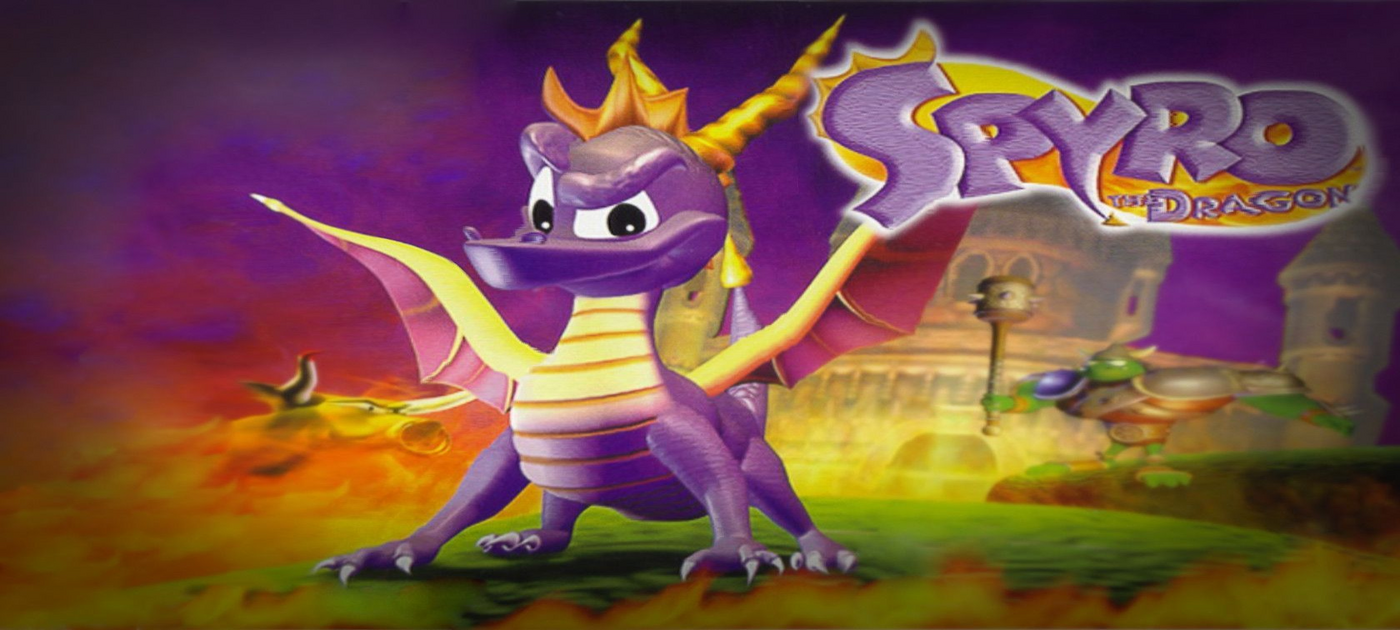
PEGI and USK provide important information for anyone that purchases games for youngsters of any age. You can choose to strictly adhere to the recommendations of the rating systems. You can also use your own discretion after perusing the data – you know your child best, the types of games they like, that you prefer them to play, and if they’re likely to find the content disturbing.
Either rating system is an ideal place to research any game before making a purchase.

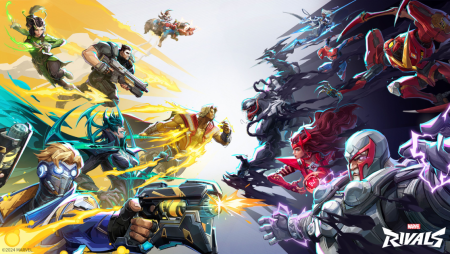
Marvel Rivals Season 10: Release Date, New Hero Leaks, Battle Pass, and Rank Reset
Marvel Rivals Season 10 arrives September 11 with hero number 54, a fresh Battle Pass, and a ranked reset that drops every player six full divisions – here’s what’s confirmed, and what’s still just a leak.