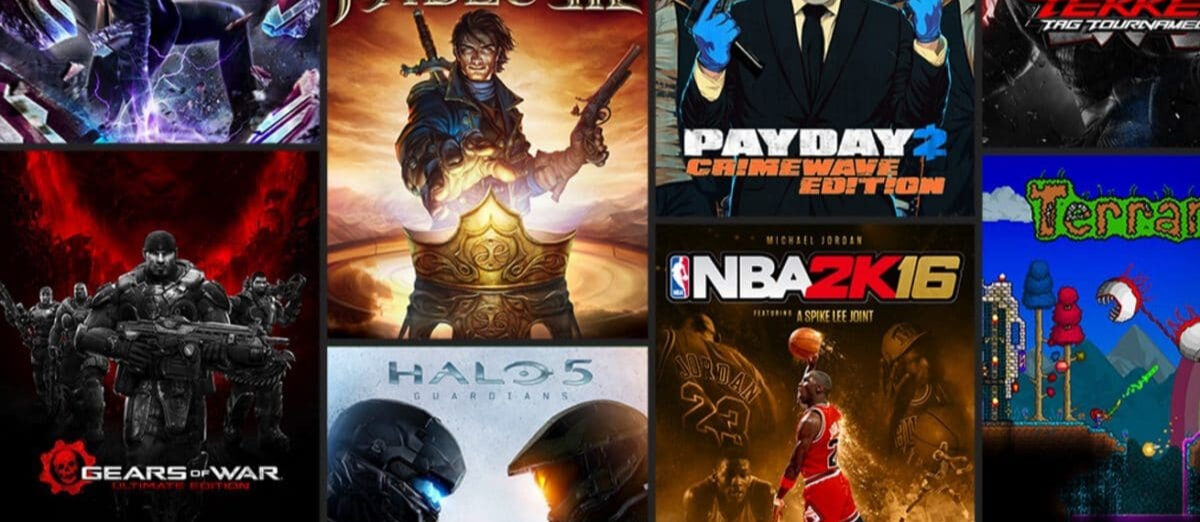
The announcement by Microsoft in June 2019 that it would be creating its Project xCloud game platform that has been dubbed by many as a “Netflix for Games,” had tongues wagging around the world. Individuals in the U.S., UK and Korea can currently sign up for a free preview that’s planned for a to-be-determined date in Oct. 2019 and the company will be sending invitations to a select number of those registrants. It’s the latest in a move toward games as a service platform. Microsoft has indicated that it will keep the number of playable games small for the test. Those games will be Guardians, Gears 5, Halo 5, Killer Instinct, and Sea of Thieves. No large scale rollout for the platform has been released, with testing continuing until Microsoft is confident that the platform has been sufficiently optimized.
Those chosen to participate will need a Microsoft account, a Bluetooth-enabled Xbox One controller with version 4.0 or greater, a tablet or phone with an Android operating system of 6.0 or above, and 5G Wi-Fi. Microsoft is also launching a game streaming app, but only those playing during beta testing will have access to it. It was only a matter of time before more companies began jumping on the games as a service bandwagon. There are already game streaming services. One type allows people to stream games for a particular system, while the second option enables players to stream games they already own.
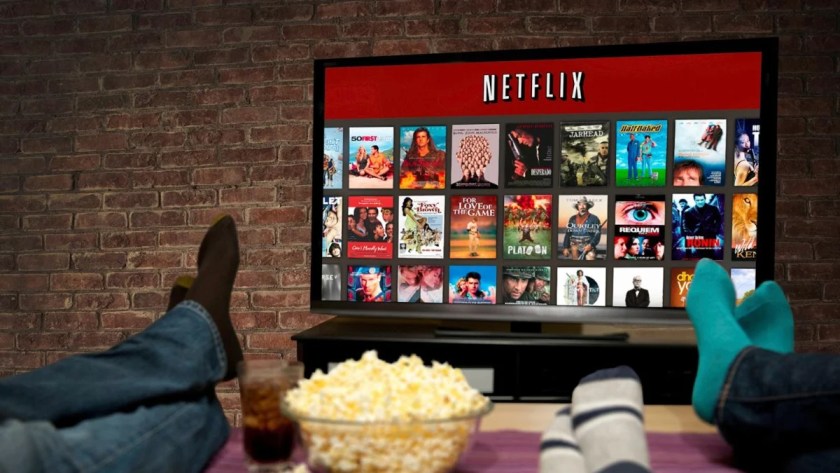
The model has worked extremely well for music. Millions of people currently view their favorite films and TV shows via services that include Netflix, Hulu, and Amazon Prime Video. It’s a logical next step that started with pay-per-view and movies-on-demand. Such services are extremely convenient and so far, affordable.
xCloud will make use of 5G technology and while many gamers are embracing the concept, there are an equal number of people that question the safety of 5G networks citing the emission of radio frequencies that can damage DNA. Gamers don’t appear to be too concerned with that aspect. The games as a service concept is a win-win proposition for many and people are already taking advantage of that option, but there are some serious downsides to games as a service for others. The most notable is ultimate availability. Those with access to 5G will be able to participate, but those in rural areas and people with spotty coverage won’t be able to play.
People that only have Internet access via satellite service will experience lag times that will affect the entire experience if they want to play at home. That won’t be much of a problem for those playing on mobile devices, provided they have the speed and data allowances required. Players must also ensure their selected streaming platform is supported.
Then there are those hard-core gamers that prefer to own a physical game and are willing to pay for the privilege. The games can be resold at some future date if the individual beats the game or doesn’t like it. They can also loan it to friends and family. The downside is that a physical game has the potential to be lost, stolen or damaged. They’re also inconvenient when traveling or getting together for a day of gaming. Games as a service appear to be the wave of the future. Avid gamers note that obtaining games via a service is convenient and affordable, but indicate they’ll continue to play utilizing a mix of physical copies and online subscription services.


Zenless Zone Zero 3.3: New Agents, Mech Combat and the Honkai: Star Rail Crossover
Zenless Zone Zero 3.3 arrives on October 21 with two new S-Rank Agents, pilotable mechs and a Halloween event lineup. We break down what is confirmed, including the Honkai: Star Rail crossover coming in 3.4.