
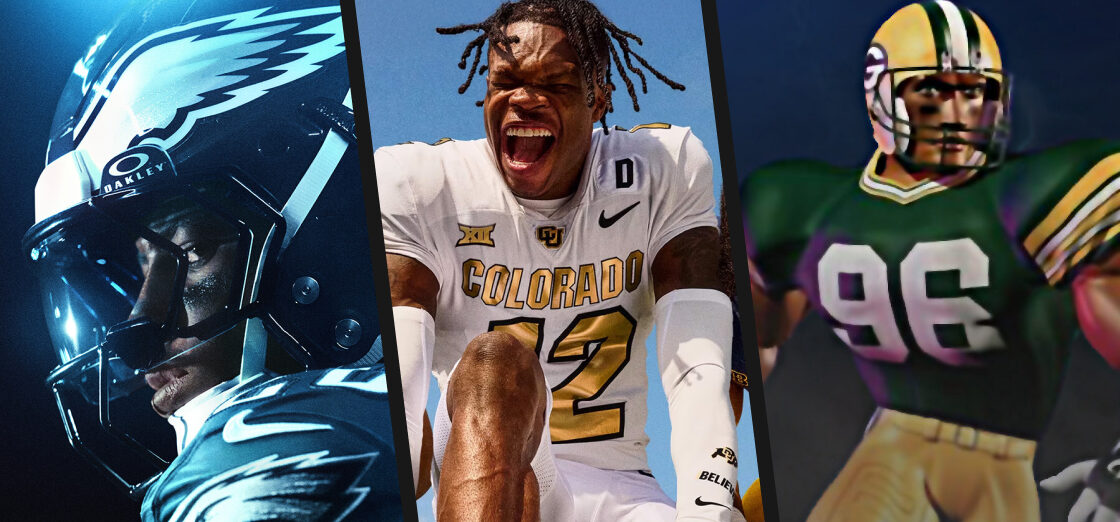
American football is a sport of strategy, athleticism, and raw power. For decades, video games have tried to capture its essence, allowing fans to step onto the virtual gridiron and lead their favorite teams to glory. From simple 8-bit sprites to hyper-realistic simulations, the journey of football video games is a story of technological innovation, fierce competition, and a deep connection with the sport itself. These titles have become more than just a pastime; they are a cultural phenomenon that has shaped how generations of fans experience and understand football.
Table of Contents
The Evolution of Football Games
The history of football video games begins in the late 1970s. Early titles like Football (Mattel, 1979) on the Intellivision were rudimentary, featuring simple X’s and O’s moving on a green field. While graphically primitive, they laid the foundation by translating the core concepts of offense and defense into an interactive experience. The 1980s saw the arrival of more recognizable games like 10-Yard Fight (Irem, 1983 in arcades; Nintendo, 1985 on NES), which introduced a side-scrolling perspective and more defined player sprites.
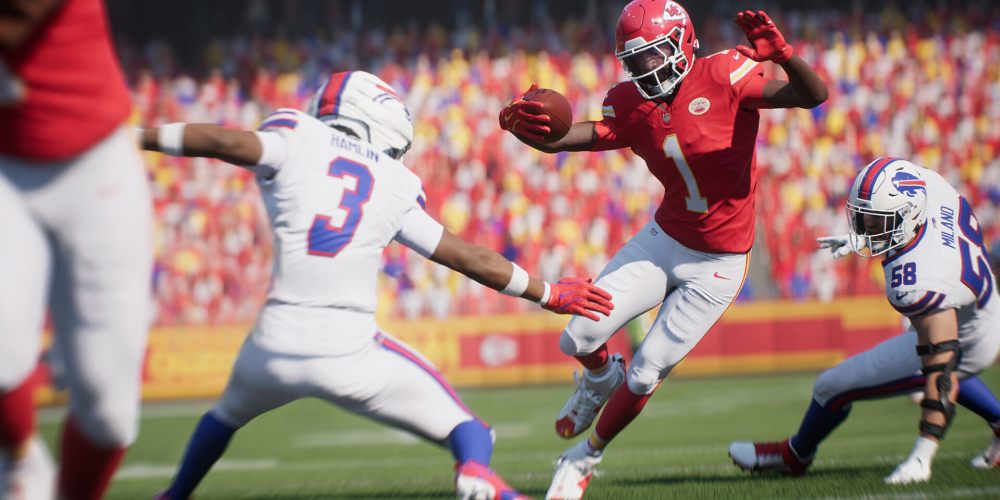
The true turning point came with the launch of John Madden Football (Electronic Arts, 1988). This title prioritized realism, incorporating actual NFL playbooks and strategic depth that was unheard of at the time. As the series evolved through the ’90s on consoles like the Sega Genesis and Super Nintendo, it became a juggernaut. The addition of the official NFL license in Madden NFL ’94 (Electronic Arts, 1993) and the NFL Players Association (NFLPA) license, which allowed for real player names and likenesses, solidified its dominance. Gameplay mechanics grew more complex with each iteration, introducing features like audibles, hot routes, and advanced defensive controls. Graphics transitioned from 2D sprites to 3D polygons, bringing a new level of immersion to the experience.
Football Video Games of the Past
While Madden has long been the face of the genre, it wasn’t always the only game in town. Several other series made significant contributions before being discontinued. The most notable competitor was the NFL 2K series (Visual Concepts, first released in 1999). Launched on the Sega Dreamcast, NFL 2K was praised for its superior graphics, innovative gameplay, and more fluid animations. It presented a genuine challenge to Madden’s reign, culminating in the critically acclaimed ESPN NFL 2K5 (Visual Concepts, 2004). Released at a budget price of $19.99, it was a massive hit with fans.
2K, Sony, and Microsoft strike back
Other major publishers also had their NFL franchises. NFL GameDay (989 Sports/Sony Interactive Studios America, 1995) brought 3D graphics and realistic player animations to the forefront with its PlayStation debut. Its pick-up-and-play style and deep playbooks made it a strong contender during the late ’90s and early 2000s, directly challenging the Madden series for football supremacy. Microsoft Game Studios answered with NFL Fever, launched in 2001. It was a launch title for the original Xbox and focused on high-speed gameplay with robust multiplayer options. Though its run was brief, NFL Fever carved out a niche with its slick presentation and accessible controls.
Another franchise with a cult following is NFL Blitz, first released in 1997 in arcades before finding its way to home consoles. The series developed by Midway, the studio known for the Mortal Kombat franchise, delivered over-the-top, fast-paced action with exaggerated tackles, no penalties, and a focus on fun rather than simulation. Its distinctive style and unapologetic arcade spirit made it a favorite for players looking for a wild alternative to the realism of Madden. After the Midway bankruptcy, EA Sports acquired the rights to the series. The reboot, called simply NFL Blitz, came out in 2012 for Sony and Microsoft consoles. Due to the pressure from the NFL, the game got rid of its iconic late hits. Despite the lack of its signature mechanics, the game received very positive reviews, but it has never received another sequel.
Dealbreaker
Tecmo Bowl (Tecmo, 1987 for arcades; 1989 for NES) stood out for its accessible play-calling, tight controls, and the inclusion of star players like Bo Jackson, who achieved near-mythical status in the game. The series paved the way for future sports titles with its player stats and memorable gameplay. Don’t forget about NFL Quarterback Club (Iguana Entertainment, 1994), which debuted on the Sega Genesis and Super Nintendo. It found its footing during the 16-bit era and competed directly with Madden and Tecmo Bowl throughout the ’90s. Its unique “Quarterback Challenge” mode allowed players to test their skills in events like distance throws and accuracy drills, offering a different take on gridiron video game competition.
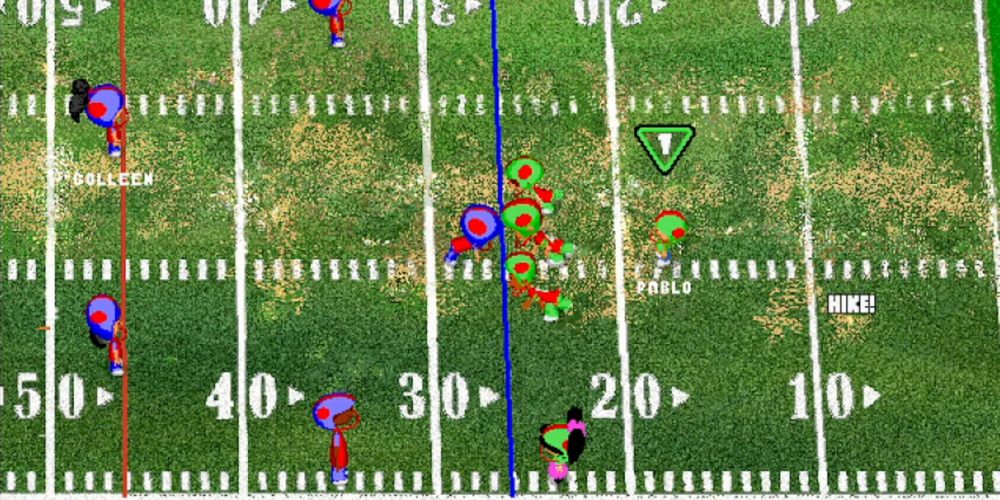
Of course, the genre also saw a number of one-shot and niche experiments. Joe Montana Football (Electronic Arts, 1990 for Sega Genesis) and Troy Aikman NFL Football (Tradewest/LJN, 1994 for Super NES, Genesis, and Jaguar) each brought their own star power to Sega and Super Nintendo, respectively, offering fans alternative takes with features tailored to their namesake NFL legends. Additionally, the Backyard Football series (Humongous Entertainment, 1999 for PC) introduced a lighthearted, cartoonish take on the sport, pairing NFL stars as kids with a creative, family-friendly approach that appealed to younger audiences.
However, this golden age of competition came to an abrupt end. In 2004, Electronic Arts (EA) signed an exclusive licensing agreement with the NFL and the NFLPA, effectively shutting out all competitors, including the NFL 2K series. This move remains controversial, with many fans arguing that the lack of competition led to stagnation in the Madden franchise. As a result of the deal, competing franchises, such as NFL GameDay from Sony and Microsoft’s NFL Fever, ceased production in 2004. These games are remembered for pushing the genre forward and providing players with alternatives.
The Spirit of Saturday: College Football Games
For many fans, the passion of college football is unmatched, and its video game counterpart captured that spirit perfectly. Early attempts like Bill Walsh College Football (EA Sports, 1993 for Sega Genesis and Super Nintendo) laid the foundation for collegiate gridiron gaming, introducing fans to authentic playbooks and legendary coaches. The NCAA Football series (EA Tiburon/EA Sports, first released in 1998 for PlayStation) built on this legacy. I was beloved for its unique atmosphere, gameplay, and attention to detail. It featured the fight songs, rivalries, and vibrant pageantry of college game day. The Dynasty Mode was a standout feature, allowing players to take control of a university’s football program, recruit high school athletes, and build a powerhouse over decades. The “Road to Glory” mode let you create a player and guide them from high school to college stardom.
However, the series was discontinued after NCAA Football 14 (EA Tiburon/EA Sports, 2013) due to legal disputes over the use of player likenesses without compensation. The controversy highlighted the complex issues surrounding amateur athletics and commercialization, leaving a void in the sports gaming landscape for nearly a decade.
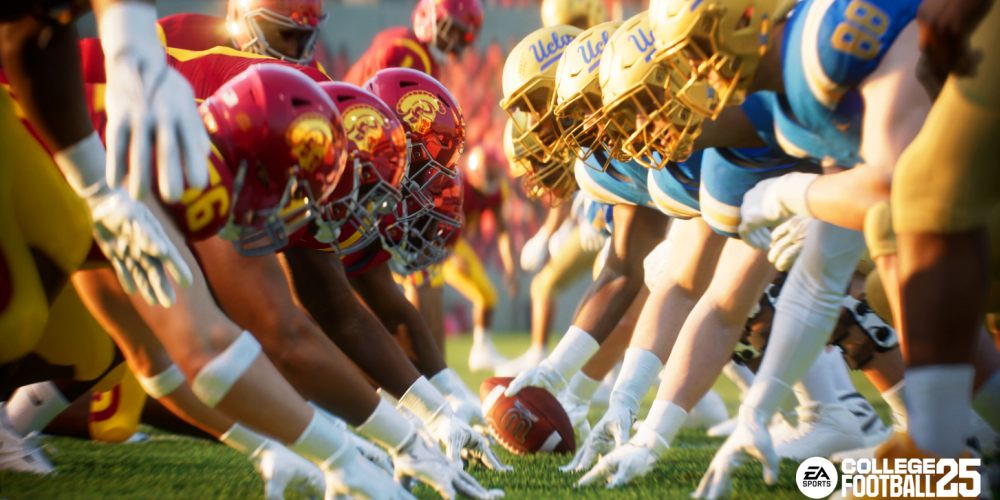
Excitingly, this void has now been filled with the triumphant return of college football from EA Sports. EA Sports College Football 25 was released in 2024. It met with enthusiasm from both longtime fans and newcomers, reviving beloved features while modernizing the experience for new hardware and the current era of college athletics.
Unlicensed and Unrealistic Football Games
Alongside the mainstream NFL-licensed titles, unlicensed and unrealistic American football games have carved out their own enthusiastic fan base. Games like Mutant League Football and Blood Bowl embrace creative liberties, delivering wild gameplay mechanics, exaggerated moves, and unique art styles that set them apart from simulation-oriented titles. By stepping away from the constraints of realism and licensing, these games have offered fresh takes on football, ranging from physics-defying tackles to imaginative teams, stadiums, and power-ups, attracting players who are looking for something different or nostalgic.
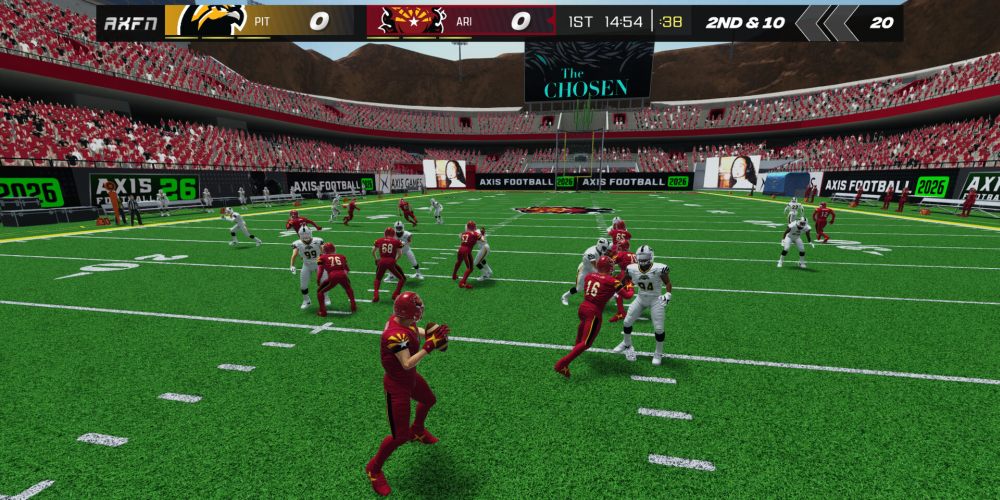
Their contribution has been vital in keeping the genre vibrant and accessible, allowing for experimentation and humor that resonates with both younger gamers and adults seeking a break from tradition. There are also unlicensed games such as Axis Football and Football Mogul.
Football Games in 2025
After years of being the sole licensed NFL simulation, the football gaming scene is showing signs of change. Of course, the Madden NFL series continues its run with Madden NFL 26, leveraging the full power of modern consoles for incredibly realistic player models, lighting, and on-field physics. At the same time, the company developed its NCAA series. EA Sports College Football 26 came out on July 10, trying to duplicate its predecessor’s incredible success. We’ve also observed a return of one of the old titles in 2025. Backyard Football ’99 was published by Playground Productions on September 9, receiving positive reviews. If you prefer realistic gameplay but not necessarily under the NFL banners, you can give Axis Football 26 a try.
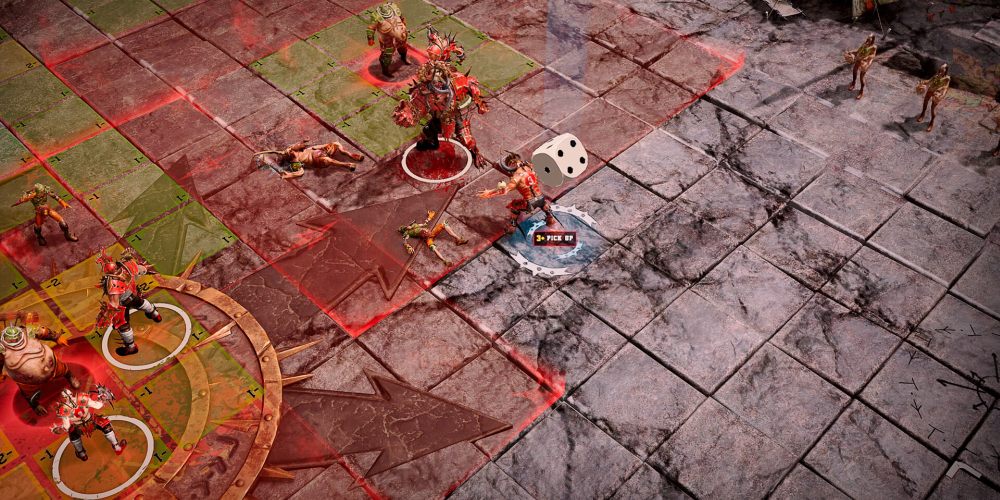
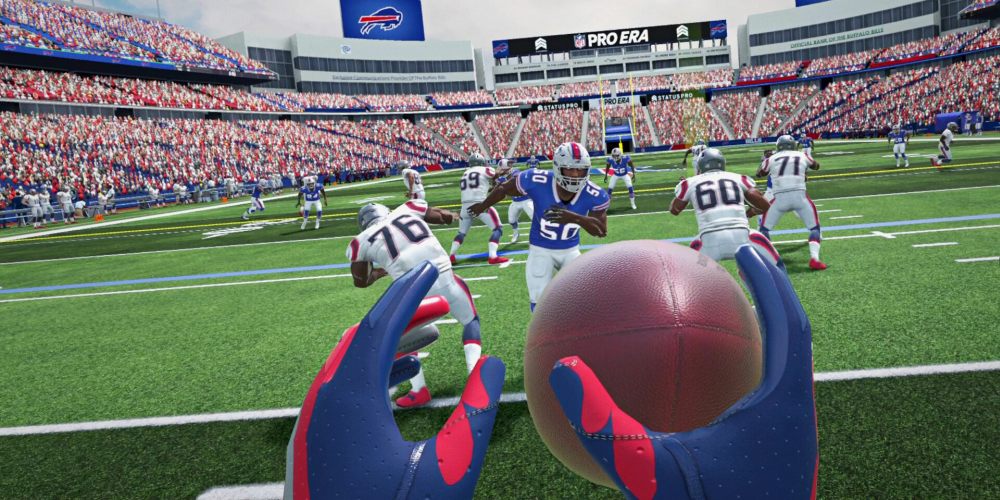
Football fans can also pick Blood Bowl 3, which was released in 2023. It has been systematically enhanced since its premiere. Recently, two new factions have joined the game. 2024’s Mutant Football League 2 from Digital Dreams Entertainment is also a good option if you’re looking for a more wacky take on American football. We must also mention NFL Pro Era 2, the second installment in the first official NFL VR game. This title, released in 2023, received mixed reviews, but it’s the sole video game that offers players this kind of football experience.
As you can see, American football fans have a wide range of games to choose from. However, we’re incredibly curious how those selections would look if the NFL and EA Sports hadn’t signed the exclusivity deal.

GTA 6. Everything we know so far [Release, editions, and pre-orders]
To say that people were excited about the GTA 6 news would be an understatement. One of the most popular RPG games ever made has finally received its first trailer.

How to Save Money on PC Games by Choosing the Right Edition: Standard, Deluxe or Ultimate
How to save money on PC games: compare Standard, Deluxe and Ultimate editions, season passes, early access and later upgrades before you buy.
GTA Games in Order: The Complete History of Grand Theft Auto
Find out how Grand Theft Auto grew from a 1997 top-down crime game into one of the best-selling franchises ever made. This guide lists all GTA games in order of release and recaps each one: the story, the gameplay, and its impact on the industry.