
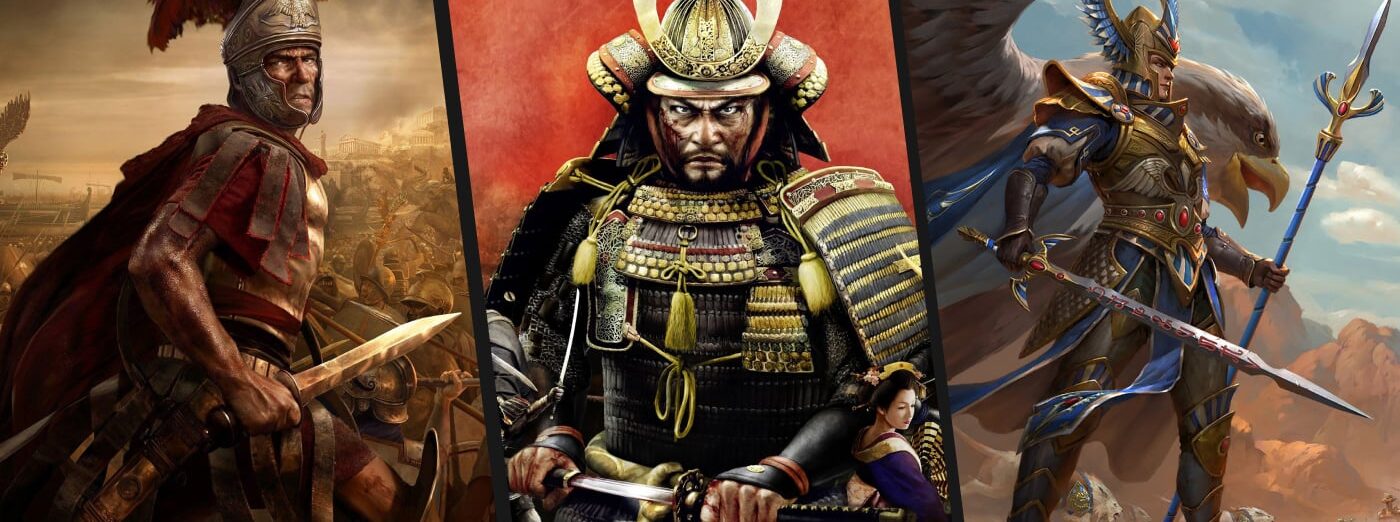
All strategy fans can’t wait until October and the release of Total War: Pharaoh. Before the new game takes us to ancient Egypt, we want to talk about the best previous installments in the Creative Assembly’s flagship series.
Rome: Total War
- Release date: September 22, 2004
- Platforms: PC, macOS, iOS, Android
- Metascore: 92
Rome: Total War takes players to ancient Rome and lets them lead armies in the period of one of history’s greatest empires. Unlike many other strategy games, Rome: Total War gives equal importance to turn-based strategic planning and real-time tactical combat. This blend makes every decision matter, whether it’s managing your provinces on the campaign map or commanding thousands of troops on the battlefield.
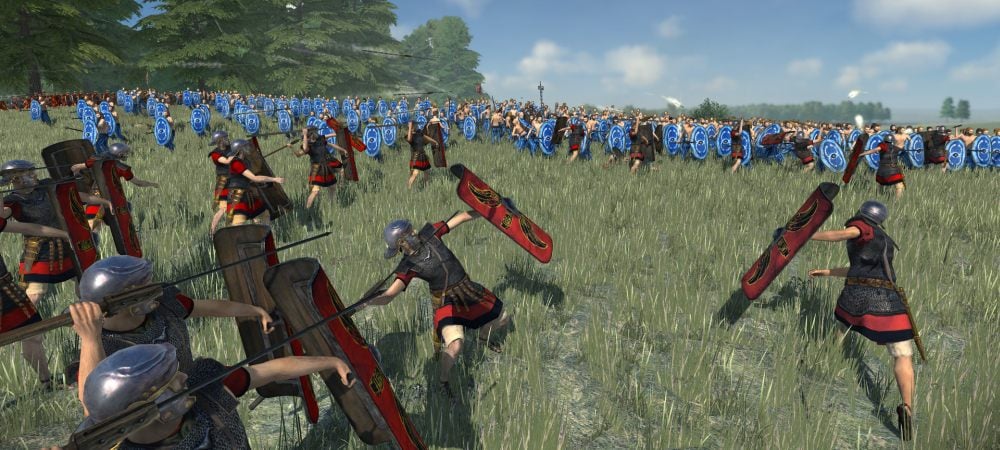
The game boasts an impressive roster of playable factions, each with its own unique playstyle, strengths, and weaknesses. Whether you choose to lead the disciplined Romans, the fierce Gauls, or the cunning Carthaginians, you’ll find a plethora of units at your disposal. From fearsome legionnaires to agile chariots, the diversity of units adds depth and replayability to every campaign. The most compelling aspect of Rome: Total War is arguably its distinctive mechanics. Moreover, Rome: Total War emphasizes diplomacy and politics. Forge alliances, negotiate trade deals, and manipulate rival factions to your advantage. The intricate web of relationships adds an extra layer of complexity to the gameplay, allowing for deep and immersive strategic decision-making.
Empire: Total War
- Release date: March 3, 2009
- Platforms: PC, macOS, Linux
- Metascore: 90
The game plunges you into the Age of Enlightenment, a time of monumental political, military, and cultural shifts. From the smoky battlefields of Europe to the exotic lands of India and the Americas, Empire: Total War paints a vivid picture of this transformative age. The game mechanics are equally impressive. Empire: Total War introduces naval combat into the series, allowing for thrilling sea battles that require clever tactics and strategic use of wind and positioning. Additionally, the game features a more sophisticated diplomacy system, making interactions with other factions more complex and consequential.
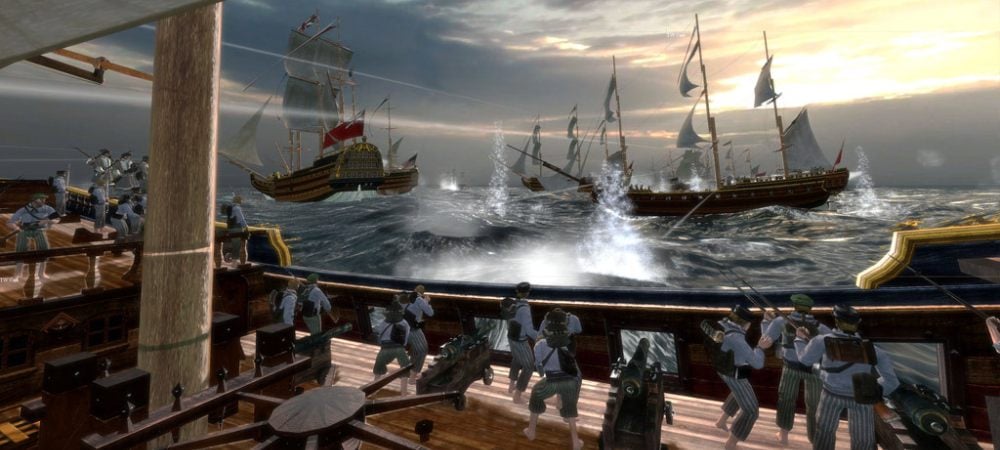
Empire: Total War features varied and engaging game modes. The Grand Campaign lets you guide your chosen faction through the entire 18th century, managing everything from trade and diplomacy to warfare and internal politics. The Road to Independence mode offers a narrative-driven experience, charting the rise of the United States. Additionally, you can engage in standalone land or naval battles for a quick dose of tactical action.
Total War: Shogun 2
- Release date: March 15, 2011
- Platforms: PC, macOS, Linux
- Metascore: 90
Set in the Sengoku period of Japan, Shogun 2 transports players to a time of conflict and warlordism. The historical authenticity of the game is one of its most striking features. From the intricate design of the Samurai armor to the beautiful landscapes inspired by traditional Japanese art, every aspect of the game reflects the era it represents. Shogun 2 offers a range of playable factions, each tied to a historical clan vying for control over Japan. Each faction possesses unique traits, strengths, and weaknesses, which significantly influence your strategic decisions and gameplay experience.
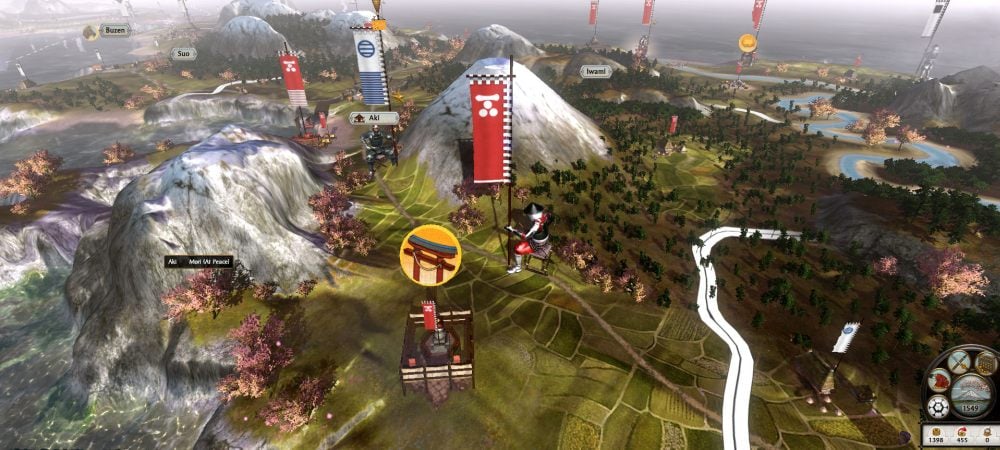
The mechanics of Shogun 2 are both innovative and refined. The game strikes a balance between military, economic, and diplomatic strategies. The addition of the honor system influences how other clans perceive you. In comparison to older Total War games, Shogun 2 offers considerably improved AI that makes battles more challenging and unpredictable.
Medieval: Total War
- Release date: March 15, 2011
- Platforms: PC
- Metascore: 88
Medieval: Total War takes players on a journey through the Middle Ages, one of the most tumultuous periods in history. From the early medieval era to the dawn of the Renaissance, the game provides a rich tapestry of historical events, figures, and cultural shifts. This historical authenticity adds depth to the gameplay and immerses players in the world of the game.
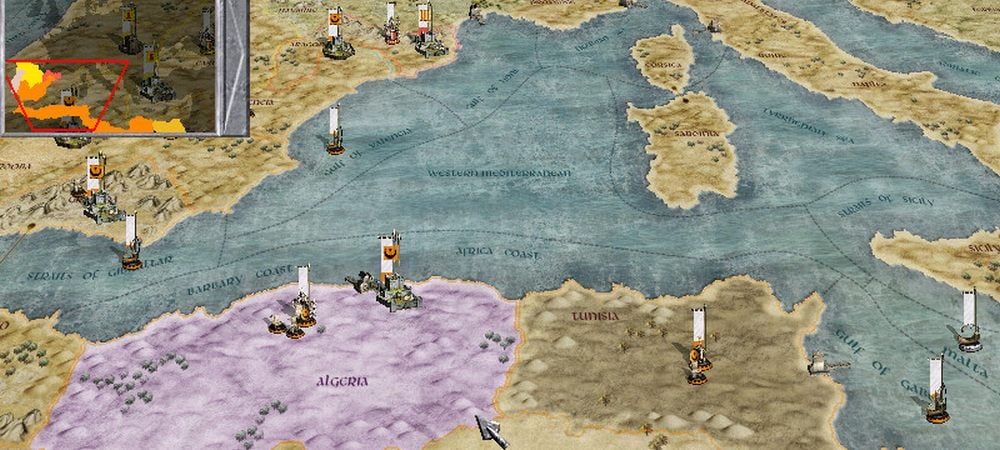
Game modes in Medieval: Total War include the grand campaign mode, which allows players to guide their chosen faction through centuries of history, and the battle mode, where players can engage in standalone battles. The game also features historical campaigns that recreate famous conflicts of the period, such as the Hundred Years’ War. It also introduces religion as a factor influencing diplomacy and public order. Moreover, the game’s technology tree, which is tied to the buildings you construct, offers a sense of progression and development over time.
Medieval II: Total War
- Release date: November 10, 2006
- Platforms: PC, MacOS, Linux, Android, iOS
- Metascore: 88
Medieval II offers players a chance to reshape history from 1080 to 1530 AD. This period, marked by significant turmoil and transformation, serves as an exciting backdrop for the game’s narrative, adding depth and authenticity to the player’s experience.
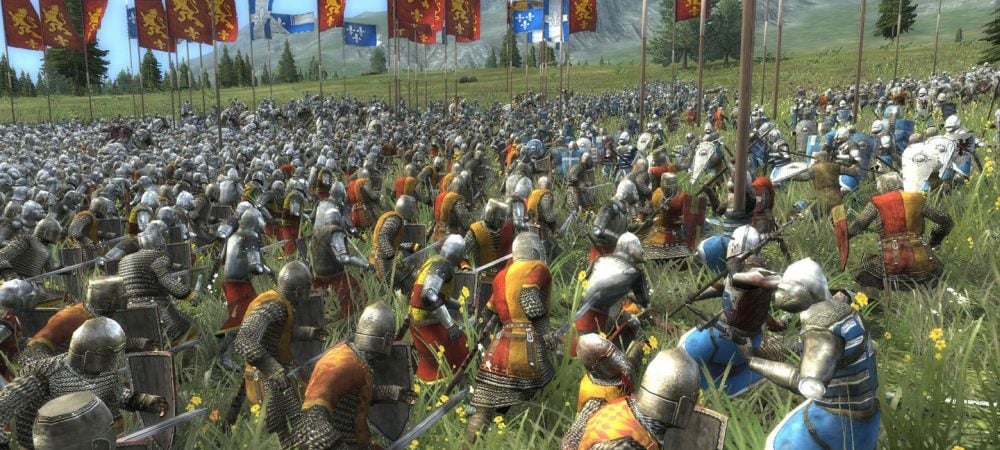
Featuring 21 playable factions, each with particular strengths, weaknesses, and special units, Medieval II: Total War offers a wide range of strategic options and playstyles. From the disciplined knights of France to the hardy pikemen of Scotland, every faction provides a unique gaming experience.
Total War: Warhammer II
- Release date: September 28, 2017
- Platforms: PC, MacOS, Linux
- Metascore: 87
Unlike other Total War games, the Warhammer subseries don’t take players to any historical period. Instead, we have a chance to dive into the fantastical universe of Warhammer. In this realm of magic, mythical creatures, and diverse races, players can explore different continents, each teeming with unique challenges and opportunities. As a result, one of the standout features of Total War: Warhammer II is its unique factions. Players can choose from High Elves, Dark Elves, Lizardmen, or Skaven. This diversity enhances replayability and offers players a broad range of strategic options.
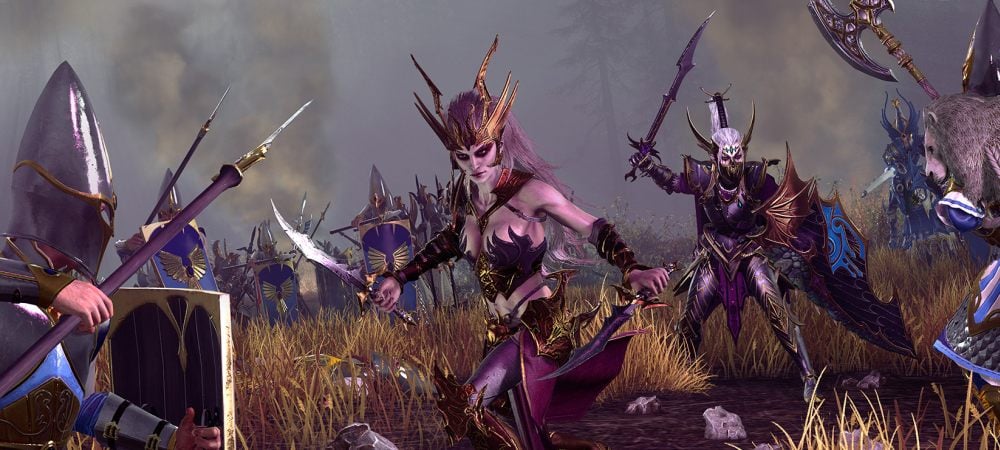
Mechanically, Warhammer II introduces several innovative concepts to the series. Magic plays a significant role, with powerful spells that can turn the tide of battles. The game also incorporates unique mechanics for each faction, such as the food system for the Skaven or the influence system for the High Elves, adding depth to the gameplay.

The Blood of Dawnwalker: Everything we know about the Witcher’s spiritual successor
The Blood of Dawnwalker is often compared to The Witcher 3. Let’s discuss similarities and differences between them.
How do game key sites work? From supplier to your game library
Every gamer knows it: a title costs €59.99, but is available for a fraction of that on a game key site. Lets solve this mystery.
Mobile Legends: Bang Bang Turns 10 – the big anniversary event and lots of freebies
Moonton is marking Mobile Legends: Bang Bang’s 10th anniversary with its biggest giveaway yet – three free skins, including a Collector-tier rarity for the first time ever. Here’s what to know before September 4.