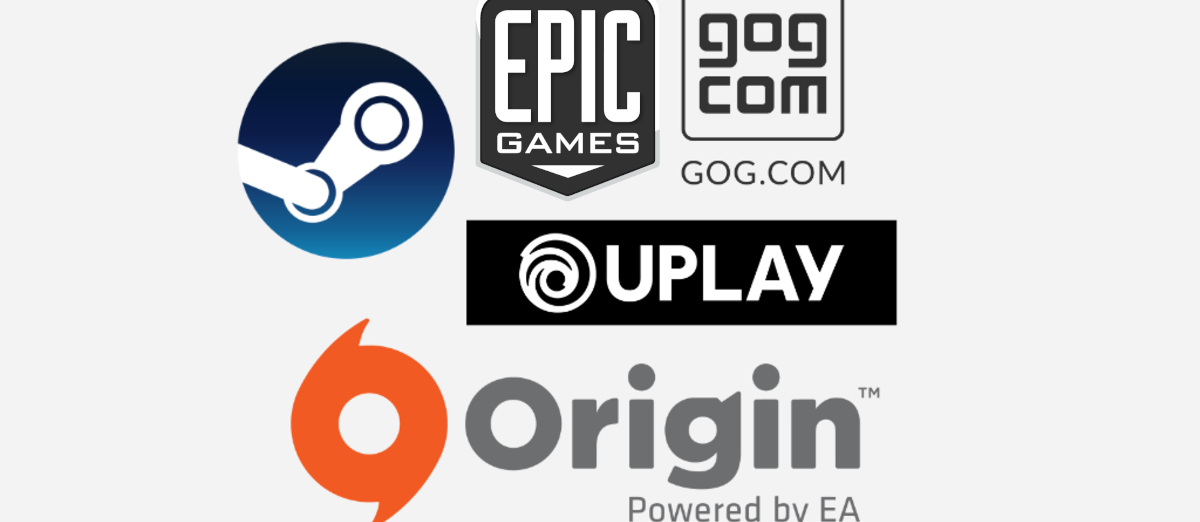
Anyone that plays video games will find they need a launcher and there’s literally one to accommodate everything from PCs and mobile devices to popular game consoles and streaming services. Every game has some type of launcher and they’re a matter of intense anger and disgust for gamers. It’s a Catch-22. If they want to play on a particular platform, gamers must install the corresponding launcher. Gamers long for the good old days when they simply installed a game and played. Updates were handled quietly in the background with no fanfare. The competition among developers, the delivery of digital games, and fees charged by online game sources led many companies to create their own launchers.
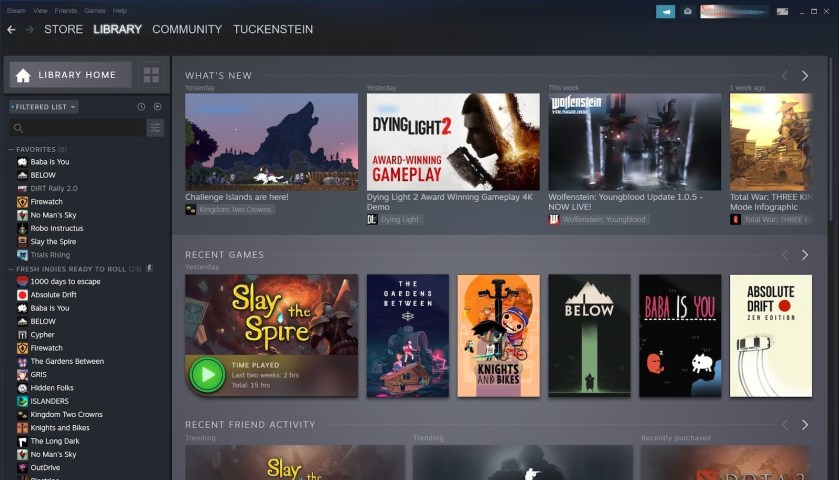
They’re valuable tools that can do a variety of things. They can sort and combine game libraries, let people customize gameplay, record gaming sessions, capture commentary and screen shots, choose power levels, and even personalize how a phone responds while users are playing games. They also cause a significant amount of clutter on screens. They can be extremely useful for categorizing games if players forget under which platform they downloaded a specific game. They can be a little confusing since titles are listed in alphabetical order rather than grouping different incarnations of the same game together. Others won’t list a game in the library if it’s been played online instead of downloaded and some launchers won’t list games created by specific publishers. Players have to run the launcher before they can play the associated game and then wait while the launcher updates itself or installs patches. Gamers can easily find themselves dealing with a dozen different launchers and a lot of wasted time. It can present a real problem in areas where Wi-Fi connections are slow, spotty, or unreliable. There’s also the question of security and customer service should a problem arise.
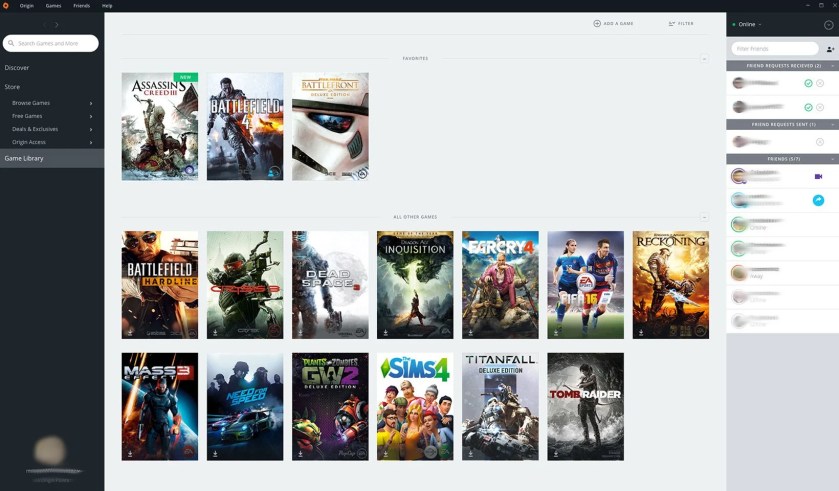
While many gamers simply chalk launchers up to the necessity of playing their favorite games, others are choosing not to play new games if it involves adding another launcher to log in, earn points and obtain free game content. They just want to open the game and play without the inconvenience. Some launchers can handle multiple platforms, but there are still gaps. In reality, there’s no good reason to have multiple game launchers – from the player’s perspective. From the viewpoint of publishers, it makes perfect sense to have proprietary launchers. Companies like Steam take a significant financial bite out of a company’s profits. To avoid that, publishers began creating their own launchers. When it comes to game launchers, it’s all about the bottom line for publisher shareholders. They don’t want to give away their profits to digital delivery systems so they create their own launchers. It’s completely understandable. However they also want people to play their games and need to consider the impact it will have on current and future players.
It’s a matter of frustration and inconvenience, particularly for PC gamers. Launchers are a problem that won’t resolve itself anytime in the near future. Gamers will simply have to resign themselves to a screen full of launchers until publisher and digital delivery platforms can negotiate a financial arrangement that makes them all happy.


Zenless Zone Zero 3.3: New Agents, Mech Combat and the Honkai: Star Rail Crossover
Zenless Zone Zero 3.3 arrives on October 21 with two new S-Rank Agents, pilotable mechs and a Halloween event lineup. We break down what is confirmed, including the Honkai: Star Rail crossover coming in 3.4.