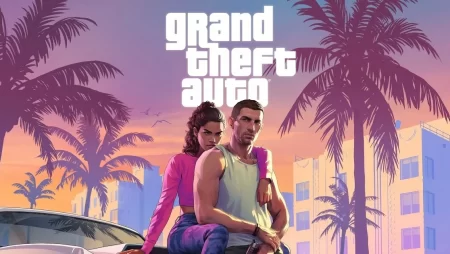
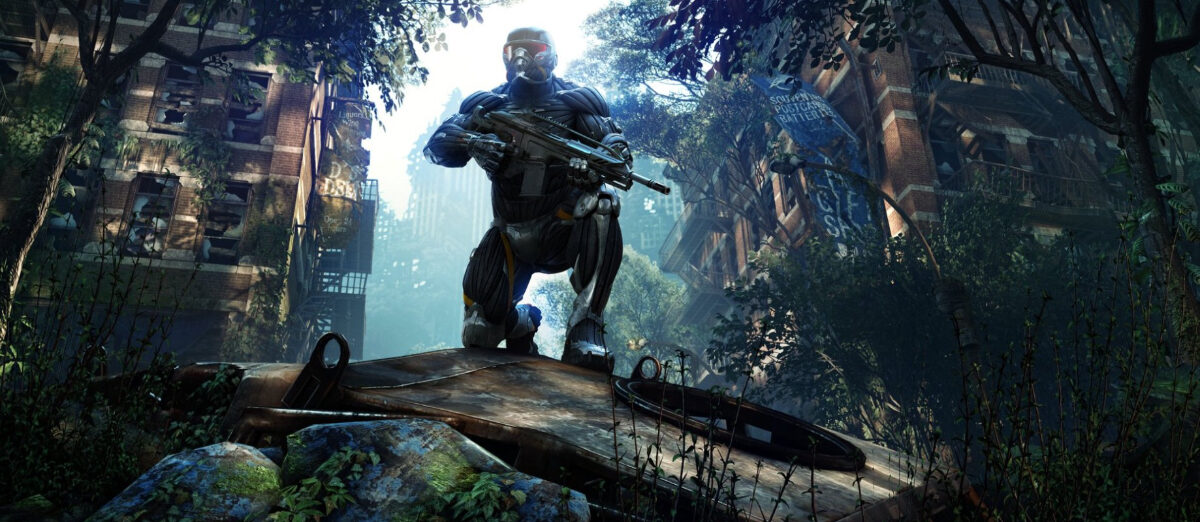
Many avid game players are at odds over game consoles and how long it takes to get a new game to market. Some believe it’s the high cost of developing games with cutting edge technology, while others insist it’s the outdated technology of the game consoles that’s limiting the creation of better graphics and more complex games. Yet another faction isn’t as concerned with bigger and better graphics as long as the game is enjoyable to play and offers a level of difficulty that provides a challenge. They suggest those that want “more realistic” games try virtual reality. The same group of gamers point to monetization and the cost of the consoles themselves as the problem. The truth is a combination of those factors and more.
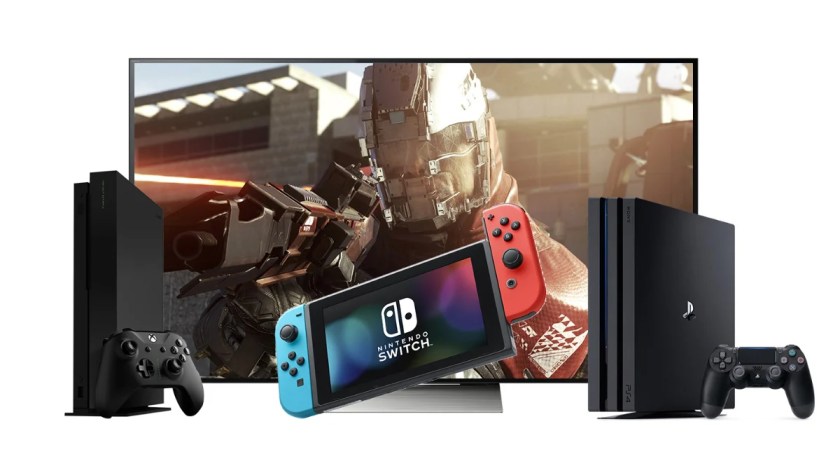
In all fairness, games are costly to develop. “Grand Theft Auto V” was the most expensive, with a budget of $265 million. “Final Fantasy VII came in with a budge of $145 million, while “Red Dead Redemption” cost a “paltry” budget of $100 million. Game developers make money by selling consoles and games appropriate to that particular system. Each console has its own set of devotees and development companies constantly vie for a bigger share of the market. Competition among companies is fierce. No new system will be released unless a specific percentage of users have been attained or the developer has a significant new piece of technology to release. Those two elements affect the games that are being developed. No developer is going to release a game with the next level of technology unless they have several ready to go, along with a console to play them on. New consoles are expensive for consumers, as are games, controllers and other necessities.
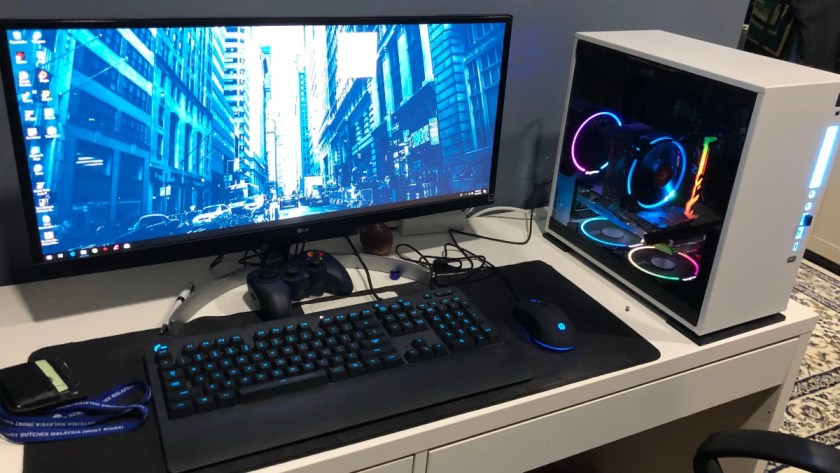
There are some gamers that will purchase the latest console no matter the price, while others wait for reviews from friends before they decide to shell out that much money. However, the cost of game consoles also results in a smaller user base, at least initially. To counter that, a limited number of the newest consoles are released – typically just in time for the holiday shopping season. It’s another reason that PC games lag behind consoles. There’s little monetary value for developers to create PC versions of their games when a company’s focus is on its console system. Adding to that is the cost of a PC that can provide the same experience as a traditional gaming console.
Two other aspects are the streaming game services and mobile games market. Even Microsoft will soon be beta testing a game streaming subscription service and the mobile game market is exploding. Many of the biggest names in gaming are focusing more attention on digital delivery. Those two markets have expanded the number of people that can game, but they’re nowhere near the number of the console market. The bottom line is that it’s not the actual consoles that slow down the development of new games, though they are a contributing factor. Developers claim it’s the expense of creating new games with newer and better graphics that prevents new titles from being released quicker. To date, nothing has been introduced that would replace the experience to be had on a traditional console. Anyone that wants to play realistic games with good storylines and graphics must seek out their favorite console system. Ultimately, it’s all about how much money can be made on existing consoles and the accompanying games that dictates when new titles are released.


Zenless Zone Zero 3.3: New Agents, Mech Combat and the Honkai: Star Rail Crossover
Zenless Zone Zero 3.3 arrives on October 21 with two new S-Rank Agents, pilotable mechs and a Halloween event lineup. We break down what is confirmed, including the Honkai: Star Rail crossover coming in 3.4.