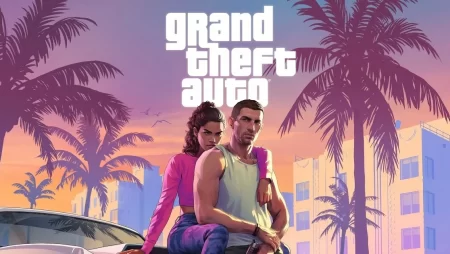
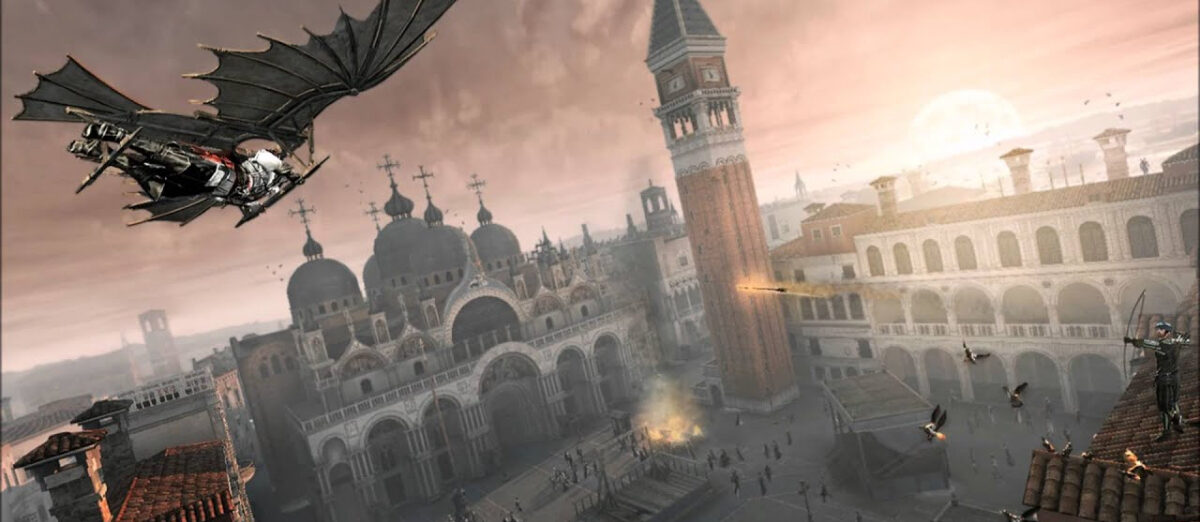
Everyone has played a game, only to notice that elements reminded them of people, places or events in real life history. Developers often take liberties within history to aid in the creation of storylines. Sometimes history-inspired games try to be as authentic as possible. In other instances, storylines are influenced by legends and popular myths, so they ‘feel’ like history, which provides added depth and interest. Some of the most popular and best-selling games have incorporated settings and themes that were historical in nature. An excellent example of this is “Assassin’s Creed” that depicts a wide variety of historical settings and landmarks such as Big Ben and the narrative of the Knights Templar.
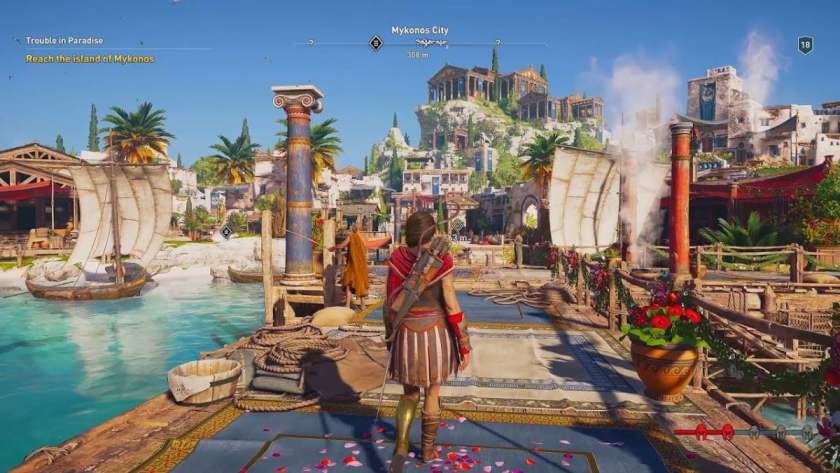
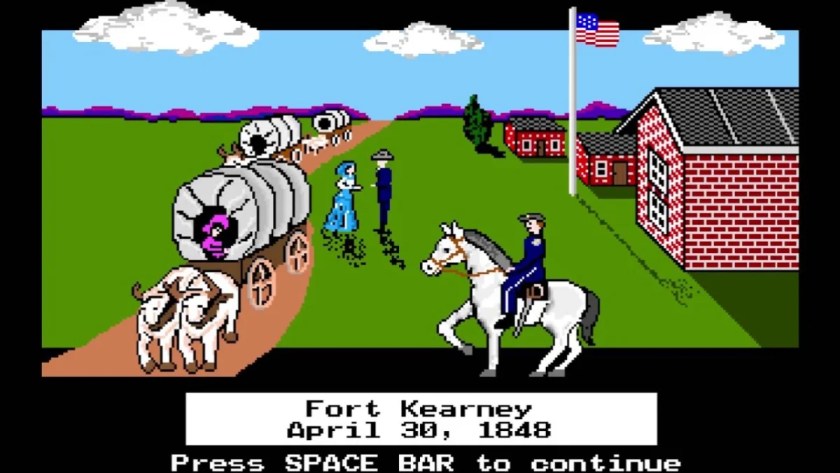
The representation of Medieval Italy in “Assassin’s Creed” has even inspired walking tours of Rome, Venice and Florence. Another example is the Nintendo Switch version of “Skyrim” in which the Bretons are representative of Celtic culture and Talos worship very much resembles the Biblical narrative. Interweaving historical fact and fiction offers individuals an interesting and highly entertaining way to “interact” with history. Gamers can actually see heritage sites or obtain a better understanding of the political forces involved in World War II through games like “Call of Duty.” For fans of the Wild West genre, there’s the “Red Dead Redemption” franchise. One of the first examples of historical perspective was “The Oregon Trail” game released in 1971. While not nearly as sophisticated as today’s games, it allowed individuals to play as characters with different social and economic backgrounds, hunt for food, and experience illnesses of the day.
Jump to “Brothers in Arms: Road to Hill 30” that was released in 2005. Developers took great pains to foster historical accuracy. The digital environments were the result of 12 months’ worth of research that included military classes in warfare, extensive archival research, and even travel to Normandy, France. Video games of today have roots that go back to strategic and tactical board games such as chess and checkers. In many ways, the method in which video games depict historical environments is a continuation of what people used to see in films. Movies told a story about the human condition that could be set in any locale, providing movie-goers with the opportunity to see places they might never otherwise be able to visit. Video games players are able to experience the travails of their character and do so in venues around the globe. In other instances, individuals gain a better understanding of history and events through the use of complex models, time travel, and ‘choose your own adventure’ type gaming.
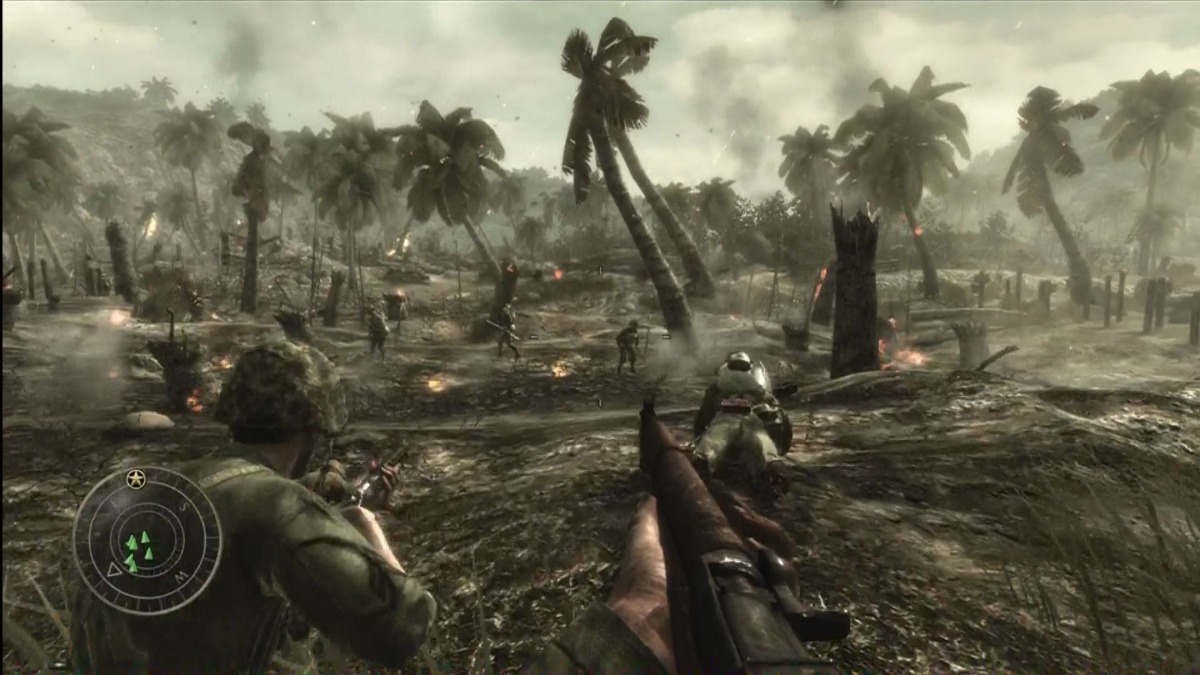
Today’s video games have the ability to teach, entertain and inspire. The use of historical personages set in their native times assists in helping people learn lessons of the past, about the environment, and how to engage more fully with the present. Incorporating history into the storylines of virtual worlds can be informative, take people to the past, and into the future. History in video games is far more than an escape from the world. It enhances imagination, inspires creativity, and lets anyone satisfy the deep-seated need to be a hero.


Zenless Zone Zero 3.3: New Agents, Mech Combat and the Honkai: Star Rail Crossover
Zenless Zone Zero 3.3 arrives on October 21 with two new S-Rank Agents, pilotable mechs and a Halloween event lineup. We break down what is confirmed, including the Honkai: Star Rail crossover coming in 3.4.