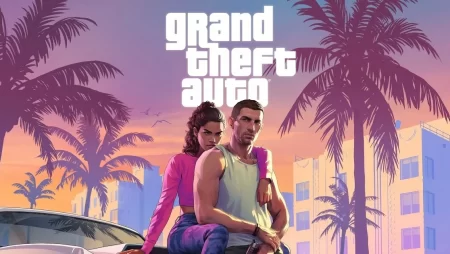

While it used to be a niche hobby that only the most devoted of nerds would admit too, video games have since become so widespread that you’d be hard-pressed to find someone who doesn’t enjoy any form of video gaming. It has become so mainstream, in fact, that the gaming industry is now one of the largest in the world, with a worth that’s projected to reach hundreds of billions of dollars in the near future.
So, chances are most people you interact with today play video games to some degree. Whether they be more casual gamers or dedicated players who invest hours daily to hone their skills, gaming has become a completely socially acceptable pastime that’s on par with movies and tv shows. It goes without saying, then, that games can have a profound influence on people’s lives. But how far does that influence reach, exactly?
Your brain gets a boost
The cognitive benefits that video games offer are nothing to sneeze at. Of course, it’s important to keep in mind that you should take everything in moderation, but playing video games for longer periods of time can actually give you plenty of incredibly useful benefits.
For one, you’ll actually age mentally at a much slower rate than non-gamers. Since they act as a stimulus to various brain functions, such as memory, you get to exercise your brain on a regular basis, ensuring that all those mind and memory muscles are properly flexed and ready for the later years. While this won’t completely eliminate the dangers involved, particularly if you are genetically predisposed to these ailments, you have a good chance of avoiding dementia and Alzheimer’s.
Additionally, contrary to popular belief, focus and attention span also improves on video games. Many complex games require you not only to react quickly, but also formulate long-term strategies. This helps improve both your ability to focus, as well as your working memory. It also carries the benefits of applicability – any logic skills you gain by solving puzzles within a game you get to carry on into real life.
It becomes easier to socialize
The stereotype of the nerdy gamer shut-in is a thing of the past. While there are certainly plenty of people who prefer to game along and not leave the confines of their own homes, there is quite a lot of opportunity to socialize through a shared love of gaming.
The most obvious example here are multiplayer games. Whether it’s couch co-op games and party games like Mario Party, or MMOs and online shooters, there is plenty of fun to be had with other gamers – in fact, it seems to be the dominant form of gaming nowadays. Many such games require tight cooperation and clear communication, and that makes it easier to foster bonds in an organic manner.
Then there’s the community aspect of gaming. Whether it’s by meeting IRL at gaming conventions or chatting about various aspects of your favorite games via Reddit, you can easily find people to talk about your favorite games right now. You’ll definitely find many new, much more creative ways to socialize thanks to gaming.
Your body changes – for better or worse
Finally, we have good news in the physical department as well. Studies have shown that playing video games that require a lot of precision, such as first-person shooters and real-time strategy games, can improve your eyesight, reflexes and, as a result, your hand-eye coordination. In this case, the earlier you start, the more you stand do gain, but that doesn’t mean you won’t see any positive changes if you start as an adult.
Still, it’s important to be careful and make sure that you have opportunities to actually apply those mad physical skills in real life. People who spend too much time gaming have a tendency to become overweight, or even obese, greatly lowering their health and physical abilities. And while your eyesight might get a boost in the long run, it’s important to take breaks from staring at a screen, as that’s a surefire way to exhaust your eyes.


Zenless Zone Zero 3.3: New Agents, Mech Combat and the Honkai: Star Rail Crossover
Zenless Zone Zero 3.3 arrives on October 21 with two new S-Rank Agents, pilotable mechs and a Halloween event lineup. We break down what is confirmed, including the Honkai: Star Rail crossover coming in 3.4.