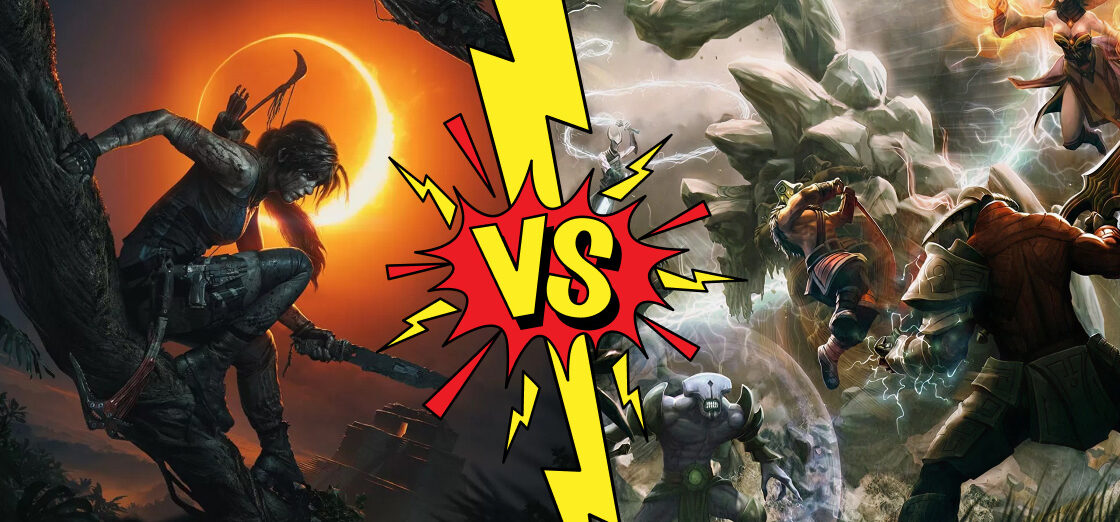
Gaming has evolved into one of the most diverse forms of entertainment, offering a mix of experiences to suit all types of players. At the heart of these experiences lies a key decision for gamers: single-player or multiplayer? Each format offers unique advantages and challenges, appealing to different preferences and gaming styles. We dive deep into the pros and cons of both types.
Advantages of single-player games

Immersive storytelling
Single-player games often shine in creating rich narratives. Think about the emotional highs and lows of titles like The Last of Us, which offers an engaging story filled with poignant moments. Without needing to accommodate multiple players, developers can focus on crafting plotlines that pull you in and keep you invested.
Freedom to play at your own pace
One of the biggest perks of single-player gaming is the ability to play on your terms. There’s no pressure from teammates, no need to stick to a schedule, and no stress about falling behind. You can explore open worlds, like in The Witcher games, or replay missions to perfect your skills without external constraints.
Lack of competitive stress
Some gamers find competitive environments daunting or exhausting. Single-player games remove that pressure entirely, letting you focus on mastering gameplay mechanics, enjoying the scenery, or simply unwinding.
Offline Option
Unlike multiplayer games, which often require constant internet access, single-player games are far more forgiving in environments with limited or unstable internet. This makes them a reliable choice for gaming on the go or during technical hiccups. Unfortunately, some solo titles require being online, but they are a drop in the ocean.
Disadvantages of Single-Player Games

Limited Replayability
While some games are designed with replay value in mind, others can feel one-and-done. Once you finish the story or complete the main objectives, there’s often little reason to return, aside from nostalgia.
Lack of Social Interaction
For gamers who enjoy the community aspect of gaming, single-player titles can feel isolating. There’s no shared triumph over a final boss or celebratory chat with friends after completing a quest.
Longevity hinges on updates
Unlike multiplayer games, which constantly evolve with updates, expansions, and seasonal events, single-player games stay relatively static post-launch. This can limit engagement for long-term players.
Advantages of multiplayer games

Social Interaction
One of the strongest draws of multiplayer games is the social element. Whether it’s an epic raid in World of Warcraft or a casual match of Among Us with friends, playing with others creates shared memories and fosters friendships. Online communities can turn strangers into teammates and teammates into lifelong buddies.
High replay value
Multiplayer games often offer an endless amount of content. Match-based games like Rocket League or Fortnite keep players hooked by constantly changing dynamics, opponents, and goals. Even years after release, these games remain lively due to their evolving nature.
Teamwork and Collaboration
Co-op modes in games like Overwatch highlight the importance of working together to achieve common goals. The satisfaction of executing a perfect team strategy or saving a friend mid-battle is unparalleled.
Competitive thrills
For competitive gamers, nothing beats testing your skills against real players. Games like Call of Duty and League of Legends provide environments where you can constantly grow, challenge rivals, and climb rankings.
Disadvantages of Multiplayer Games

Internet dependence
A stable internet connection is essential for multiplayer gaming. Connectivity issues can lead to frustrating lag or unexpected disconnections, putting a damper on otherwise exciting sessions.
Toxicity and Conflict
One major downside of multiplayer environments is the potential for toxic behavior. From trash talk in voice chat to harassment in forums, some communities can sour the experience.
Time commitment
Multiplayer games often demand significant time investments. Whether it’s grinding for gear or keeping pace with constantly changing metas, these demands can be overwhelming, especially for players balancing busy schedules.
Accessibility Challenges
Not all players enjoy competitive or high-pressure scenarios. For newer or less experienced gamers, jumping into a multiplayer game can feel intimidating, especially if the learning curve is steep and community support is limited.
Hybrid Gameplay: The Best of Both Worlds?

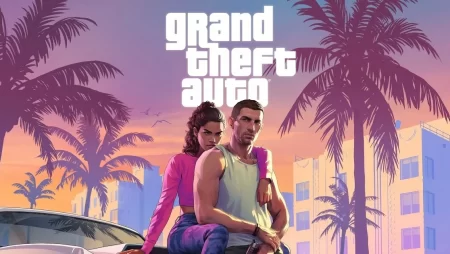
With the rise of gaming innovation, a growing number of games blur the lines between single-player and multiplayer formats. Games like Dark Souls III and Monster Hunter World integrate online elements into what is largely a solo experience. Similarly, open-world multiplayer games like GTA Online allow players to switch between solo missions and collaborative gameplay seamlessly. Baldur’s Gate 3 can be played solo, or you can form a party with your friends.
These hybrids offer flexibility, letting gamers tailor their experience while enjoying the strengths of both formats.
Which Format Is Best for You?

Choosing between single-player and multiplayer games boils down to personal preference and lifestyle:
- Introverted Gamers may gravitate toward the solitude and narrative depth of single-player titles.
- Social Gamers will likely prefer the camaraderie and teamwork found in multiplayer experiences.
- Casual Players might lean toward single-player games with shorter, more relaxed play sessions.
- Competitive Players will thrive in the high-stakes worlds of multiplayer gaming.
Ultimately, there’s no wrong choice. Whether you’re slaying demons on your own or strategizing with a team, the best gaming experience is the one that brings you joy.

Mobile Game Top-Ups on the Most Trusted Game Key Sites: One Guide to Four Games
The most trusted game key sites top up Free Fire, Genshin Impact, Zenless Zone Zero and MLBB with the right ID, a clear price and a set delivery time.