

The lure of free software and games can be tempting for many people, especially those on a tight budget or who don’t want to pay for expensive software. However, downloading and using pirated games and software can pose significant risks. Not only is it illegal and unethical, but it can also expose your computer and personal information to various security threats. As we explore in this article, we’ll explore what pirated games and software are, their associated risks, and why they should be avoided.
What are pirated games and software?
Digital rights management (DRM) is a sort of technology that authenticates games or software so that they may only operate under particular circumstances. This is accomplished via the use of product keys for activation, restricted allowable activations (i.e., a program may only be installed a specific number of times), and always-on DRM, which needs a constant internet connection for application authentication. Pirated games are ones that have been “cracked” by circumventing DRM.
Piracy and shady sources seem to be one step ahead of legal digital distribution methods. The popularity of Napster and torrent existed years before iTunes and Spotify. Furthermore, Megaupload was one of the largest digital pirate sources when it debuted in 2005, two years before Netflix. No matter how big the market is, downloading and using pirated games and software come with plenty of risks.
Risks of pirated games and software
Regardless matter how games are finally cracked, the consequences for consumers might be severe. They consist of the following:
Malware
Malware is often designed to bypass typical security filters or exploit vulnerabilities in operating systems or applications. One popular technique threat actors use is offering free material or in-game items to entice users to download malware-infected software. For example, a threat actor might post a message on social media promising free skins or mods for a popular game, but the download link leads to malware-infected software instead.
Malware can take many forms, including viruses, trojans, ransomware, and spyware. These types of malware can have different purposes, such as stealing personal or financial information, using the victim’s device to mine cryptocurrency, or locking the victim out of their computer and demanding a ransom to regain access.
Adware
Adware is software that displays advertisements on the user’s computer or mobile device. While adware is not as harmful as malware, it can significantly annoy users, as it can slow down their devices and interrupt their work or browsing. Adware is often distributed along with free software or games, and the user may not realize they have installed it until they start seeing pop-up ads or other unwanted advertising. Sometimes, the adware can be invasive and difficult to remove, requiring specialized tools or expert help.
Non-functioning games
While pirated games may seem like an easy way to get free access to popular titles, there are significant risks and downsides to using them. Pirated games may not work correctly on the user’s device, as they may be incomplete, outdated, or contain errors or compatibility issues. In some cases, pirated games may even contain malware or other harmful software, as discussed in the previous section.
Prohibition on gaming platforms
Gaming platforms such as Xbox, PlayStation, and Steam have strict policies against the use of pirated games, and they may take steps to block users who violate these policies. For example, a developer may be able to track pirated software back to individual devices and computers and block associated accounts.
Unwanted law enforcement attention
Using pirated gaming material is illegal, and depending on the user’s location, it can result in fines or even prison time if they are caught. In some cases, law enforcement agencies may investigate and prosecute individuals who use pirated software, particularly if it is part of a larger criminal operation. Therefore, it is always recommended to use legitimate software and games to avoid these risks.

How to stay safe and legal
If you want to enjoy your favorite games without risking your safety or breaking the law, here are some tips to follow:
- Buy Games from legitimate sources: Instead of downloading pirated games, consider buying them from legitimate sources.
- Use a VPN: A VPN (Virtual Private Network) can help you stay anonymous and protect your online privacy. It can also help you bypass geo-restrictions and access content that may be blocked in your country. Many VPN providers are available, but it’s important to choose a reputable and reliable one. For example, NordVPN and ExpressVPN are highly regarded VPN providers, but they differ in features, pricing, and overall performance.
- Keep Your Software Updated: Ensure your operating system, antivirus, and other software are up-to-date to protect yourself from the latest threats.
- Be Wary of P2P Networks: Peer-to-peer (P2P) networks are often used to distribute pirated games and software. Be careful when using these networks, as they can contain malware and other dangers.
Conclusion
Downloading and using pirated games and software poses significant risks to users. Malware, adware, and other malicious software can easily be hidden in pirated software, potentially infecting your device with harmful viruses or stealing your personal information. Pirated games may not function as expected, with compatibility issues and the inability to access updates and support. Moreover, using pirated software is illegal and can result in fines or even legal action.
Therefore, buying games from legitimate sources like GAMIVO is always better than putting your device and personal information at risk by downloading pirated games or software. Protecting yourself with a reliable VPN while browsing and purchasing online can also add an extra layer of security. Remember, it’s not worth the risk to download pirated games and software, and by choosing legitimate sources, you can enjoy your favorite games without any worries.

GTA 6. Everything we know so far [Release, editions, and pre-orders]
To say that people were excited about the GTA 6 news would be an understatement. One of the most popular RPG games ever made has finally received its first trailer.
How to Save Money on PC Games by Choosing the Right Edition: Standard, Deluxe or Ultimate
How to save money on PC games: compare Standard, Deluxe and Ultimate editions, season passes, early access and later upgrades before you buy.
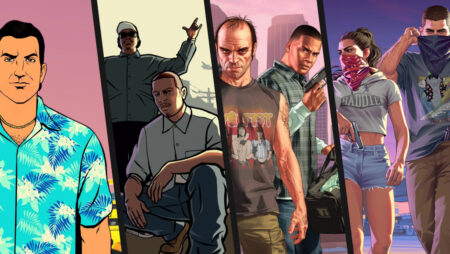
GTA Games in Order: The Complete History of Grand Theft Auto
Find out how Grand Theft Auto grew from a 1997 top-down crime game into one of the best-selling franchises ever made. This guide lists all GTA games in order of release and recaps each one: the story, the gameplay, and its impact on the industry.